
How Modern Diagnostic Technology Improves Treatment Outcomes
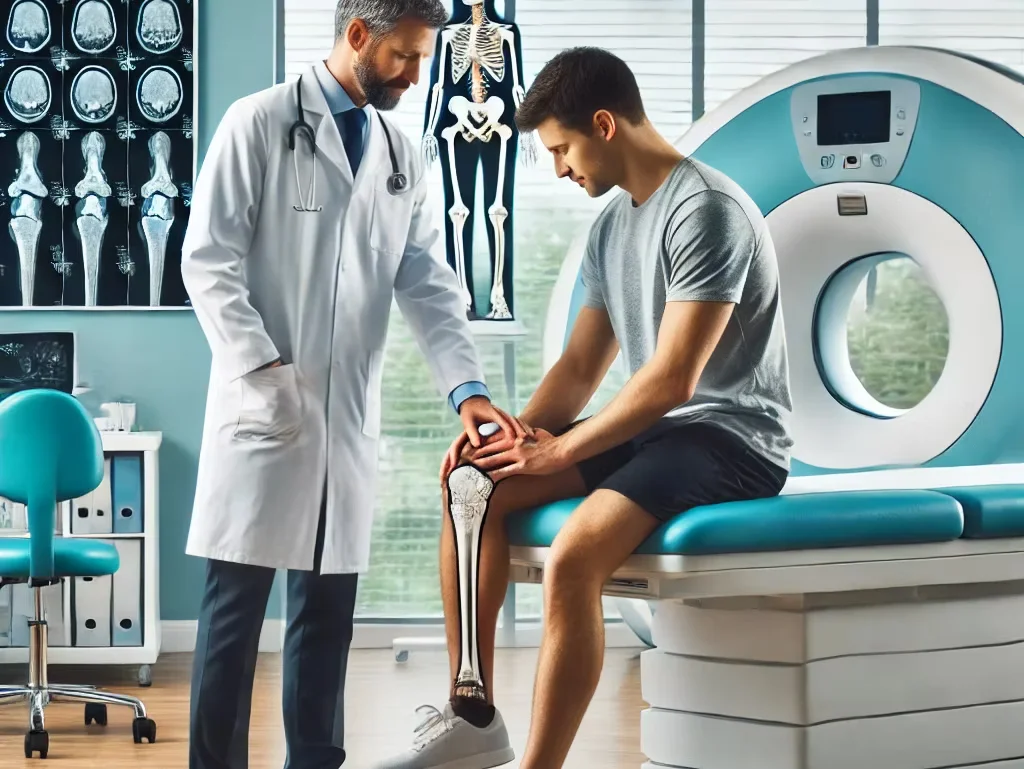
Healthcare has undergone a remarkable transformation over the past few decades. One of the most significant contributors to this evolution is the advancement of diagnostic technology. Modern diagnostic tools have revolutionized the way diseases are detected, monitored, and treated, allowing healthcare professionals to make faster and more accurate decisions. From advanced imaging systems to sophisticated laboratory testing, diagnostic innovations have become the foundation of effective medical care.
At Delta Hospitals, we believe that accurate diagnosis is the first and most important step toward successful treatment. Modern diagnostic technologies help physicians identify diseases in their earliest stages, assess their severity, monitor treatment progress, and provide personalized care plans that improve patient outcomes.
Whether it is a heart condition, neurological disorder, cancer, orthopedic injury, respiratory illness, or kidney disease, advanced diagnostics play a critical role in ensuring patients receive the right treatment at the right time.
Understanding Modern Diagnostic Technology
Diagnostic technology refers to the medical tools, equipment, and techniques used to identify diseases, injuries, infections, and abnormalities within the body.
Modern diagnostics include:
- Digital X-Ray
- MRI Scan
- CT Scan
- Ultrasound Imaging
- Advanced Laboratory Testing
- Cardiac Diagnostics
- Endoscopy Procedures
- Cancer Screening Technologies
- Molecular Diagnostics
- Point-of-Care Testing
These technologies provide healthcare providers with detailed information that helps guide diagnosis and treatment planning.
Why Accurate Diagnosis Matters
Effective treatment begins with an accurate diagnosis. Even the most advanced treatments cannot achieve optimal outcomes if the underlying condition is not properly identified.
Accurate diagnosis helps:
- Identify diseases early
- Determine disease severity
- Guide treatment decisions
- Prevent complications
- Monitor treatment effectiveness
- Improve recovery rates
- Reduce unnecessary procedures
Modern diagnostic imaging and laboratory technologies provide precise information that supports clinical decision-making and improves patient safety.
Early Disease Detection Saves Lives
One of the greatest advantages of modern diagnostic technology is its ability to detect diseases before symptoms become severe.
Early diagnosis allows healthcare providers to:
- Start treatment sooner
- Prevent disease progression
- Reduce complications
- Improve survival rates
- Lower healthcare costs
Many serious illnesses develop silently during their early stages. Advanced diagnostics can identify these conditions before they become life-threatening.
The Role of Digital X-Ray in Modern Healthcare
Digital X-ray technology has significantly improved diagnostic accuracy and efficiency.
Unlike conventional X-rays, digital imaging provides:
- Faster image acquisition
- Improved image quality
- Enhanced image storage
- Reduced radiation exposure
- Immediate access to results
Digital X-rays are commonly used to diagnose:
- Fractures
- Joint disorders
- Lung diseases
- Chest infections
- Spinal abnormalities
At Delta Hospitals, digital radiology supports rapid diagnosis and treatment planning for various medical conditions.
Benefits of Digital X-Ray
- Quick diagnosis
- Better image clarity
- Lower radiation dose
- Faster reporting
- Improved patient care
MRI Technology and Its Impact on Treatment Outcomes
Magnetic Resonance Imaging (MRI) is one of the most advanced diagnostic tools available today.
MRI uses:
- Powerful magnetic fields
- Radio waves
- Advanced computer processing
Unlike CT scans and X-rays, MRI does not use ionizing radiation.
MRI provides exceptional visualization of:
- Brain
- Spine
- Joints
- Soft tissues
- Blood vessels
- Internal organs
MRI Applications
MRI helps diagnose:
- Stroke
- Brain tumors
- Multiple sclerosis
- Disc prolapse
- Ligament injuries
- Sports injuries
- Spinal disorders
How MRI Improves Treatment Outcomes
MRI allows physicians to:
- Detect diseases earlier
- Identify subtle abnormalities
- Plan surgical procedures accurately
- Monitor treatment progress
The detailed images produced by MRI contribute significantly to improved treatment success.
CT Scan Technology and Advanced Diagnosis
Computed Tomography (CT) scanning combines multiple X-ray images with advanced computer processing to create detailed cross-sectional images of the body.
CT scans provide detailed evaluation of:
- Brain
- Chest
- Abdomen
- Bones
- Blood vessels
Conditions Diagnosed Through CT Scans
- Head injuries
- Internal bleeding
- Stroke
- Tumors
- Lung diseases
- Kidney stones
- Trauma-related injuries
Benefits of CT Imaging
- Rapid diagnosis
- Detailed imaging
- Emergency evaluation
- Accurate treatment planning
CT technology is particularly valuable in emergency medicine where quick decisions can save lives.
Ultrasound Imaging and Real-Time Diagnosis
Ultrasound is a safe and non-invasive diagnostic tool that uses sound waves to generate images of internal organs.
It is widely used for evaluating:
- Liver
- Kidneys
- Gallbladder
- Thyroid
- Pelvic organs
- Blood vessels
Advantages of Ultrasound
- No radiation exposure
- Real-time imaging
- Safe for pregnancy
- Cost-effective
- Quick evaluation
Ultrasound plays an important role in diagnosing various conditions and monitoring treatment effectiveness.
Advanced Laboratory Diagnostics
Laboratory testing remains one of the most important components of modern healthcare.
Advanced laboratory diagnostics help identify:
- Infections
- Diabetes
- Kidney disease
- Liver disease
- Blood disorders
- Hormonal imbalances
Common Laboratory Tests
Complete Blood Count (CBC)
Evaluates:
- Red blood cells
- White blood cells
- Hemoglobin
- Platelets
Blood Sugar Testing
Helps detect:
- Prediabetes
- Diabetes
Lipid Profile
Measures:
- Cholesterol
- Triglycerides
- Cardiovascular risk
Kidney Function Tests
Assess:
- Creatinine
- Urea
- Electrolytes
Liver Function Tests
Evaluate:
- Liver enzymes
- Bilirubin
- Liver health
Laboratory diagnostics provide critical information that guides treatment decisions.
Cardiac Diagnostics and Heart Health
Heart disease remains a leading cause of death worldwide.
Modern cardiac diagnostic technologies help identify heart problems before serious complications occur.
Common Cardiac Diagnostic Tests
Electrocardiogram (ECG)
Evaluates:
- Heart rhythm
- Electrical activity
Echocardiography
Provides:
- Heart structure assessment
- Valve evaluation
- Cardiac function analysis
Stress Testing
Helps identify:
- Coronary artery disease
- Exercise-induced abnormalities
Holter Monitoring
Detects:
- Arrhythmias
- Intermittent cardiac abnormalities
Benefits of Early Cardiac Diagnosis
- Reduced heart attack risk
- Better treatment planning
- Improved long-term outcomes
Advanced Diagnostics in Cancer Detection
Cancer outcomes improve dramatically when diagnosed early.
Modern diagnostic technologies help detect cancer before symptoms become severe.
Cancer Screening Methods
- Mammography
- CT Scan
- MRI
- Ultrasound
- Biopsy guidance imaging
- Laboratory tumor markers
Benefits of Early Cancer Detection
- Earlier treatment
- Higher survival rates
- Reduced treatment complexity
- Better quality of life
Advanced diagnostics play a crucial role in modern oncology care.
Neurological Diagnostics and Improved Outcomes
Brain and nervous system disorders require highly specialized diagnostic evaluation.
Advanced neurological diagnostics include:
- MRI Brain
- CT Brain
- EEG
- Nerve conduction studies
Conditions Diagnosed
- Stroke
- Epilepsy
- Brain tumors
- Multiple sclerosis
- Parkinson’s disease
- Neuropathy
Early diagnosis significantly improves neurological treatment outcomes.
Orthopaedic Diagnostics and Precision Care
Musculoskeletal disorders often require detailed imaging for accurate diagnosis.
Modern orthopaedic diagnostics include:
- Digital X-Ray
- MRI
- CT Scan
- Bone density testing
Conditions Evaluated
- Fractures
- Arthritis
- Sports injuries
- Ligament tears
- Tendon injuries
- Spine disorders
Accurate imaging helps orthopaedic specialists provide targeted treatments and rehabilitation programs.
Diagnostic Technology in Emergency Medicine
Emergency departments rely heavily on advanced diagnostics.
Rapid diagnosis helps healthcare teams:
- Identify life-threatening conditions
- Prioritize treatment
- Improve survival rates
Emergency Diagnostic Tools
- CT Scan
- MRI
- Digital X-Ray
- Ultrasound
- Laboratory testing
Conditions requiring rapid diagnosis include:
- Stroke
- Heart attack
- Trauma
- Internal bleeding
- Respiratory failure
Modern diagnostics have dramatically improved emergency treatment outcomes.
Personalized Medicine Through Diagnostics
Modern healthcare increasingly focuses on personalized treatment.
Advanced diagnostics help physicians understand:
- Disease characteristics
- Individual risk factors
- Treatment response
Personalized medicine allows:
- More effective therapies
- Reduced side effects
- Better long-term outcomes
Diagnostic data plays a key role in creating customized treatment plans.
Monitoring Treatment Progress
Diagnosis is not the only role of modern technology.
Diagnostic tools help physicians monitor:
- Disease progression
- Treatment response
- Recovery status
Examples include:
- MRI follow-up imaging
- CT scan monitoring
- Laboratory testing
- Cardiac evaluations
Continuous monitoring allows healthcare providers to adjust treatments when necessary.
Reducing Unnecessary Procedures
Accurate diagnostics help avoid unnecessary treatments and surgeries.
Benefits include:
- Better clinical decisions
- Reduced healthcare costs
- Improved patient safety
- Faster recovery
Advanced imaging and laboratory testing ensure patients receive appropriate care based on precise diagnoses.
Enhancing Surgical Planning
Modern diagnostics have transformed surgical care.
Advanced imaging helps surgeons:
- Visualize anatomy
- Identify abnormalities
- Plan procedures
- Reduce surgical risks
Benefits include:
- Improved precision
- Better outcomes
- Reduced complications
- Faster recovery
Diagnostic imaging is now an essential component of modern surgical practice.
Artificial Intelligence and the Future of Diagnostics
Artificial Intelligence (AI) is becoming increasingly important in healthcare diagnostics.
AI applications include:
- Image interpretation
- Disease prediction
- Risk assessment
- Diagnostic support
Benefits include:
- Faster diagnosis
- Improved accuracy
- Reduced errors
- Enhanced patient care
The integration of AI with advanced diagnostics represents the future of healthcare.
The Importance of Choosing a Hospital with Advanced Diagnostics
The quality of diagnostic services directly influences treatment outcomes.
When selecting a healthcare provider, patients should consider:
- Availability of advanced imaging
- Laboratory capabilities
- Specialist expertise
- Diagnostic accuracy
- Reporting speed
Hospitals equipped with modern diagnostic technology can provide better healthcare outcomes and improved patient experiences.
Advanced Diagnostic Services at Delta Hospitals
Delta Hospitals is committed to providing advanced diagnostic solutions that support accurate diagnosis and effective treatment.
Our diagnostic facilities include:
- Digital X-Ray
- MRI Scan
- CT Scan
- Ultrasound Imaging
- Advanced Laboratory Testing
- Cardiac Diagnostics
- Comprehensive Health Screening
Our experienced radiologists, pathologists, and specialists work together to ensure precise diagnosis and timely treatment planning.
Patients benefit from:
- Advanced technology
- Accurate reporting
- Rapid diagnosis
- Comprehensive healthcare support
Better Diagnostics Lead to Better Healthcare
Modern diagnostic technology has transformed healthcare by enabling early disease detection, accurate diagnosis, personalized treatment planning, and continuous monitoring. From MRI and CT scans to advanced laboratory testing and cardiac diagnostics, these innovations help physicians make informed decisions that improve treatment success and patient outcomes.
At Delta Hospitals, we combine advanced diagnostic technology with experienced specialists and patient-centered care to deliver precise, effective, and timely medical treatment. By investing in modern diagnostics, we help patients receive the right diagnosis at the right time, leading to faster recovery, reduced complications, and better long-term health.
FAQs
1. Why is modern diagnostic technology important?
It helps detect diseases early and improves treatment accuracy.
2. What are the common diagnostic tests available?
MRI, CT Scan, Ultrasound, X-Ray, ECG, and laboratory tests.
3. Can early diagnosis improve treatment outcomes?
Yes, early detection often leads to faster and more effective treatment.
4. What is the difference between MRI and CT Scan?
MRI provides detailed soft tissue imaging, while CT scans are faster and excellent for trauma and emergency evaluation.
5. Are diagnostic imaging tests safe?
Most diagnostic tests are safe when performed under medical supervision.
6. How does ultrasound help in diagnosis?
Ultrasound provides real-time imaging of internal organs without radiation exposure.
7. Can diagnostic tests detect cancer early?
Yes, advanced diagnostics can identify many cancers at an early stage.
8. Why are regular health screenings important?
They help identify health problems before symptoms develop.
9. How do diagnostics support personalized treatment?
They provide detailed information that helps doctors create individualized treatment plans.
10. Does Delta Hospitals offer advanced diagnostic services?
Yes, Delta Hospitals provides MRI, CT Scan, Ultrasound, Digital X-Ray, laboratory testing, and comprehensive diagnostic services.