
Why Multi-Speciality Hospitals Provide Better Patient Care
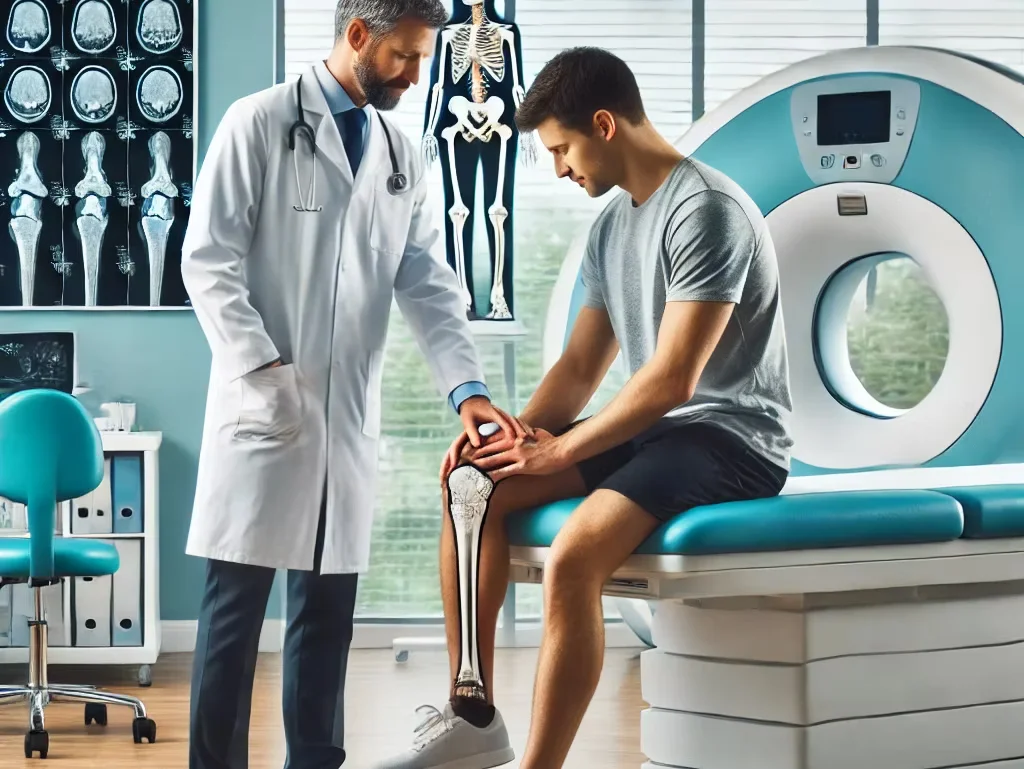
Healthcare has evolved significantly over the past few decades. Modern medical care is no longer limited to treating a single disease or consulting one specialist. Many patients today suffer from multiple health conditions simultaneously, requiring coordinated care from experts across different specialties. This has led to the growing importance of multi-speciality hospitals, which bring together experienced doctors, advanced diagnostic facilities, emergency care, surgical expertise, rehabilitation services, and comprehensive treatment under one roof.
A multi-speciality hospital offers patients access to a wide range of medical specialists, state-of-the-art technology, and integrated healthcare services. Instead of visiting multiple clinics for different medical problems, patients receive coordinated care from a multidisciplinary team that works together to achieve the best possible treatment outcomes.
Whether it’s managing chronic diseases like diabetes and hypertension, performing complex surgeries, treating heart disease, providing cancer care, handling trauma cases, or offering preventive health checkups, multi-speciality hospitals ensure patients receive comprehensive and seamless medical care.
At Delta Hospitals, we are committed to providing advanced, patient-centered healthcare through our team of experienced specialists, modern diagnostic services, emergency care, critical care units, minimally invasive surgeries, rehabilitation programs, and preventive healthcare services. As one of the trusted providers of Best Healthcare Hospital Rajahmundry, we strive to deliver personalized treatment with compassion and clinical excellence.
What Is a Multi-Speciality Hospital?
A multi-speciality hospital is a healthcare facility that houses multiple medical and surgical specialties under one roof. Patients can consult specialists from different departments, undergo diagnostic tests, receive treatment, and access emergency services without the need to visit multiple healthcare facilities.
Unlike single-specialty hospitals that focus on one area of medicine, multi-speciality hospitals provide integrated care for a wide variety of health conditions.
Typical departments in a multi-speciality hospital include:
- Cardiology
- General Medicine
- General Surgery
- Orthopaedics
- Neurology
- Neurosurgery
- Oncology
- Nephrology
- Urology
- Gastroenterology
- Pulmonology
- Emergency Medicine
- Critical Care
- Dentistry
- Physiotherapy
- Radiology
- Laboratory Medicine
This multidisciplinary approach allows patients to receive complete healthcare in one location.
The Importance of Integrated Healthcare
Many diseases affect multiple organs and require the expertise of different specialists.
For example:
- A diabetic patient may require consultation with a physician, cardiologist, nephrologist, ophthalmologist, and dietitian.
- A trauma patient may need emergency physicians, orthopedic surgeons, neurosurgeons, radiologists, and rehabilitation specialists.
- Cancer treatment often involves oncologists, surgeons, radiologists, pathologists, and supportive care teams.
Integrated healthcare improves communication among doctors and ensures patients receive coordinated treatment plans.
Comprehensive Medical Care Under One Roof
One of the greatest advantages of a multi-speciality hospital is convenience.
Patients have access to:
- Specialist consultations
- Diagnostic imaging
- Laboratory testing
- Surgical services
- Pharmacy
- Rehabilitation
- Emergency care
This reduces delays in diagnosis and treatment while improving the overall patient experience.
Faster Diagnosis Through Advanced Diagnostics
Accurate diagnosis is the foundation of successful treatment.
Modern multi-speciality hospitals offer advanced diagnostic services such as:
- Digital X-ray
- Ultrasound
- CT Scan
- MRI
- ECG
- Echocardiography
- Laboratory investigations
These technologies help doctors identify diseases quickly and accurately.
Early diagnosis often leads to:
- Better treatment outcomes
- Reduced complications
- Faster recovery
- Lower healthcare costs
Multidisciplinary Team Approach
One of the defining features of a multi-speciality hospital is collaboration among specialists.
Doctors from different departments work together to develop personalized treatment plans.
For example:
A patient with kidney disease and heart disease may be jointly managed by:
- Nephrologists
- Cardiologists
- Intensivists
- Dietitians
This collaborative approach improves patient safety and treatment effectiveness.
Better Emergency Care
Medical emergencies require immediate access to specialists.
Multi-speciality hospitals provide:
- 24/7 Emergency Services
- Trauma Care
- Critical Care
- Emergency Surgery
- Cardiac Emergency Services
- Stroke Care
Patients receive immediate evaluation and treatment without unnecessary transfers.
Rapid intervention saves lives.
Advanced Critical Care Services
Critically ill patients require specialized monitoring and treatment.
Modern ICUs include:
- Medical ICU
- Surgical ICU
- Cardiac ICU
- Ventilator Support
- Continuous Monitoring
Experienced intensivists provide round-the-clock care for patients with:
- Heart attacks
- Stroke
- Sepsis
- Respiratory failure
- Trauma
- Organ failure
Critical care significantly improves survival rates.
Expert Medical Specialists
Multi-speciality hospitals employ experienced specialists across various medical fields.
Patients benefit from access to:
Cardiologists
Managing:
- Heart attacks
- Heart failure
- Hypertension
- Arrhythmias
Neurologists
Treating:
- Stroke
- Epilepsy
- Parkinson’s disease
- Neuropathy
Orthopaedic Surgeons
Managing:
- Fractures
- Arthritis
- Joint replacement
- Sports injuries
Oncologists
Providing:
- Cancer diagnosis
- Chemotherapy
- Long-term monitoring
General Physicians
Treating:
- Diabetes
- Fever
- Infections
- Hypertension
- Thyroid disorders
Specialist expertise ensures accurate diagnosis and effective treatment.
Advanced Surgical Services
Modern hospitals perform a wide variety of surgical procedures.
Common surgeries include:
- Laparoscopic Surgery
- Hernia Repair
- Gallbladder Surgery
- Joint Replacement
- Spine Surgery
- Neurosurgery
- Urological Surgery
Minimally invasive techniques offer:
- Smaller incisions
- Less pain
- Faster recovery
- Shorter hospital stay
Comprehensive Cardiac Care
Heart disease remains one of the leading causes of death worldwide.
Multi-speciality hospitals provide:
- ECG
- Echocardiography
- Stress Testing
- Angiography
- Angioplasty
- Cardiac Rehabilitation
Patients benefit from seamless care throughout diagnosis, treatment, and recovery.
Advanced Neurological Care
Brain and nervous system disorders require specialized expertise.
Comprehensive neurological services include:
- Stroke Management
- Brain Tumor Care
- Epilepsy Treatment
- Spine Disorders
- Neurocritical Care
Rapid diagnosis significantly improves neurological outcomes.
Orthopaedic Excellence
Bone and joint disorders affect mobility and quality of life.
Services include:
- Fracture Management
- Joint Replacement
- Sports Injury Care
- Arthroscopy
- Spine Surgery
Rehabilitation programs help restore function and independence.
Cancer Care
Cancer treatment requires a multidisciplinary approach.
Comprehensive oncology services include:
- Early Detection
- Chemotherapy
- Diagnostic Imaging
- Biopsy
- Supportive Care
Early diagnosis greatly improves survival rates.
Nephrology and Dialysis Services
Kidney disorders require continuous monitoring.
Services include:
- Dialysis
- Kidney Disease Management
- Electrolyte Management
- Preventive Nephrology
Specialized kidney care helps improve patient outcomes.
Women's Health Services
Multi-speciality hospitals provide comprehensive women’s healthcare.
Services include:
- Pregnancy Care
- High-Risk Obstetrics
- Gynecology
- Menopause Care
- Preventive Screening
Women receive complete care throughout every stage of life.
Pediatric Care
Children require specialized healthcare tailored to their unique needs.
Pediatric services include:
- Vaccination
- Infection Management
- Growth Monitoring
- Neonatal Care
- Emergency Pediatric Services
Dental Care
Oral health contributes to overall well-being.
Dental services include:
- Root Canal Treatment
- Dental Implants
- Cosmetic Dentistry
- Orthodontics
- Preventive Dentistry
Physiotherapy and Rehabilitation
Recovery often continues after surgery or illness.
Physiotherapy supports:
- Stroke Recovery
- Joint Replacement
- Sports Injuries
- Pain Management
- Neurological Rehabilitation
Structured rehabilitation improves long-term outcomes.
Preventive Healthcare Services
Modern hospitals emphasize disease prevention.
Preventive services include:
- Health Checkups
- Diabetes Screening
- Hypertension Screening
- Cancer Screening
- Cardiac Risk Assessment
Early detection reduces serious complications.
Personalized Treatment Plans
Every patient is unique.
Treatment plans are based on:
- Medical history
- Diagnostic findings
- Lifestyle
- Existing conditions
- Individual goals
Personalized care improves patient satisfaction and clinical outcomes.
Better Patient Safety
Multi-speciality hospitals follow strict safety protocols.
These include:
- Infection control
- Medication safety
- Surgical safety checklists
- Continuous quality monitoring
Patient safety remains a top priority.
Advanced Technology Improves Care
Healthcare technology continues to improve diagnosis and treatment.
Modern hospitals utilize:
- Digital Imaging
- Electronic Medical Records
- Advanced Laboratory Systems
- ICU Monitoring
- Minimally Invasive Surgical Equipment
Technology supports faster and more accurate decision-making.
Reduced Treatment Delays
When specialists, diagnostics, and surgical services are available in one location:
- Referrals become faster
- Test results are available sooner
- Treatment begins earlier
Timely care often improves outcomes.
Better Communication Between Specialists
Integrated healthcare allows specialists to discuss patient cases together.
Benefits include:
- Coordinated care
- Fewer medical errors
- Improved treatment planning
- Better patient outcomes
Communication is a major advantage of multidisciplinary hospitals.
Cost-Effective Healthcare
Although advanced care may appear expensive initially, coordinated treatment often reduces:
- Duplicate investigations
- Multiple consultations
- Hospital readmissions
- Treatment delays
Comprehensive care ultimately improves healthcare efficiency.
Improved Patient Experiencet
Patients appreciate receiving healthcare in one facility.
Advantages include:
- Easier appointments
- Faster diagnosis
- Convenient follow-up
- Better continuity of care
Patient-centered services improve satisfaction and recovery.
Why Choose Delta Hospitals?
Delta Hospitals offers comprehensive healthcare services supported by experienced specialists, advanced technology, and compassionate care.
Our services include:
Multi-Speciality Medical Care : Expert consultations across multiple specialties.
Advanced Diagnostics
- MRI
- CT Scan
- Ultrasound
- Digital X-Ray
- Laboratory Services
Emergency Care : 24/7 emergency and trauma management.
Critical Care : Advanced ICU and life-support services.
Surgical Excellence : Modern minimally invasive and complex surgical procedures.
Rehabilitation Services : Comprehensive physiotherapy and recovery programs.
Preventive Healthcare : Routine health screenings and wellness programs.
Our multidisciplinary team is committed to delivering high-quality, evidence-based care tailored to every patient’s needs.
Stop Smoking
Comprehensive Healthcare for Better Outcomes
Choosing a multi-speciality hospital means choosing coordinated, comprehensive, and patient-focused healthcare. From preventive services and early diagnosis to emergency treatment, advanced surgeries, rehabilitation, and long-term disease management, multi-speciality hospitals provide seamless care that improves both treatment outcomes and patient experience.
At Delta Hospitals, we combine experienced specialists, modern diagnostic technology, advanced critical care, minimally invasive surgical expertise, rehabilitation services, and compassionate healthcare to deliver exceptional medical care under one roof. Our commitment is to ensure every patient receives timely, personalized, and high-quality treatment, helping them achieve better health and an improved quality of life.
FAQs
1. What is a multi-speciality hospital?
A multi-speciality hospital offers treatment across multiple medical specialties under one roof.
2. Why should I choose a multi-speciality hospital?
It provides comprehensive care, advanced diagnostics, and expert specialists in one location.
3.What services are available at a multi-speciality hospital?
General medicine, surgery, cardiology, orthopaedics, neurology, emergency care, ICU, diagnostics, and more.
4. Do multi-speciality hospitals provide emergency services?
Yes, most offer 24/7 emergency and trauma care.
5. Can multiple specialists treat one patient together?
Yes, multidisciplinary teams collaborate to provide comprehensive treatment.
6. Are advanced diagnostic facilities available?
Yes, services such as MRI, CT Scan, Ultrasound, Digital X-ray, and laboratory testing are available.
7. Do multi-speciality hospitals perform complex surgeries?
Yes, they perform both minimally invasive and major surgical procedures.
8. Are preventive health checkups available?
Yes, comprehensive preventive health screening packages are offered.
9. Do multi-speciality hospitals provide rehabilitation services?
Yes, physiotherapy and rehabilitation services are available for recovery after illness or surgery.
10.Does Delta Hospitals provide multi-speciality healthcare services?
Yes, Delta Hospitals offers comprehensive multi-speciality care with experienced specialists, advanced diagnostics, emergency services, ICU care, and modern treatment facilities.