
Accident and Trauma Care: Why Immediate Treatment Matters
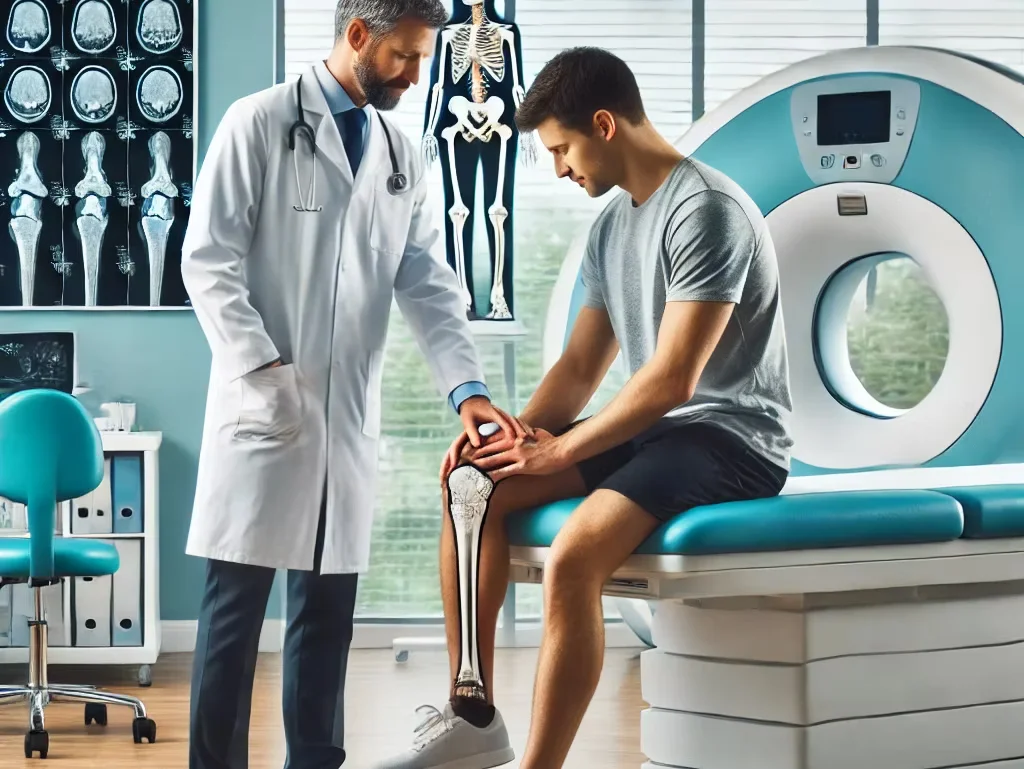
Accidents and traumatic injuries can happen without warning. Road traffic accidents, workplace incidents, falls, sports injuries, burns, and other traumatic events can cause anything from minor wounds to life-threatening damage. In serious trauma, the first few minutes can be critical because internal bleeding, brain injury, airway problems, or organ damage may not always be immediately visible.
This is why immediate accident and trauma care matters. Rapid assessment allows doctors to identify potentially life-threatening injuries, stabilize the patient, control bleeding, protect vital organs, and begin appropriate treatment as quickly as possible.
Trauma care often requires more than one medical specialty. A severely injured patient may need Emergency Medicine, General Surgery, Orthopaedics, Neurosurgery, Radiology, Critical Care, and Physiotherapy at different stages of treatment. A hospital that can bring these services together can provide more coordinated care.
At Delta Hospitals, Accident & Trauma care is supported by Emergency Medicine, Critical Care, General Surgery, Orthopaedics, Neurosurgery, Radiology, and Physiotherapy. This multidisciplinary approach helps patients receive timely evaluation and appropriate treatment following serious injuries.
For people looking for an Accident and Trauma Hospital in Rajahmundry, understanding why immediate treatment matters can help families make informed decisions during emergencies.
What Is Trauma Care?
Trauma care refers to the medical evaluation and treatment of injuries caused by sudden physical force.
Trauma can result from:
- Road traffic accidents
- Falls
- Workplace injuries
- Sports accidents
- Burns
- Industrial incidents
- Physical trauma
- Other unexpected events
The severity of an injury is not always obvious from the outside. A person may appear relatively stable while having significant internal bleeding or brain, chest, or abdominal injuries.
Trauma care therefore begins with rapid assessment rather than simply treating visible wounds.
Why Immediate Trauma Treatment Matters
The main reason immediate treatment matters is simple: some injuries can worsen rapidly.
Early medical care can help:
- Secure the airway
- Support breathing
- Maintain circulation
- Control bleeding
- Identify internal injuries
- Protect the brain and spinal cord
- Stabilize fractures
- Prevent complications
Delaying treatment can allow otherwise manageable injuries to become much more serious.
Common Types of Traumatic Injuries
1. Head Injuries
Head trauma can range from a mild concussion to severe brain injury.
Possible symptoms include:
- Headache
- Dizziness
- Confusion
- Vomiting
- Loss of consciousness
- Memory problems
- Seizures
- Weakness
A serious head injury can cause bleeding or swelling inside the skull even when there is no major external wound.
Immediate medical evaluation is particularly important after a significant blow to the head.
At Delta Hospitals, emergency teams can coordinate with Neurosurgery, Neurology, Radiology, and Critical Care when serious brain injury is suspected.
2. Spinal Injuries
Accidents can damage the spine or spinal cord.
Possible symptoms include:
- Severe neck or back pain
- Numbness
- Tingling
- Weakness
- Loss of movement
- Loss of bladder or bowel control
Spinal injuries require careful handling because unnecessary movement can potentially worsen damage.
Specialist assessment may involve Orthopaedics, Neurosurgery, Emergency Medicine, and Radiology.
3. Fractures and Joint Injuries
Trauma commonly causes:
- Broken bones
- Dislocations
- Ligament injuries
- Joint damage
Signs may include:
- Severe pain
- Swelling
- Bruising
- Deformity
- Inability to move the affected area
- Inability to put weight on a limb
Some fractures can be treated with immobilization, while others require surgery to restore alignment and stability.
4. Chest Injuries
Chest trauma can damage:
- Ribs
- Lungs
- Heart
- Major blood vessels
Symptoms may include:
- Chest pain
- Difficulty breathing
- Rapid breathing
- Coughing blood
- Low oxygen levels
Some chest injuries can become life-threatening without rapid treatment.
Imaging such as X-Ray or CT may be required to identify internal damage.
5. Abdominal Injuries
Abdominal trauma can damage internal organs such as:
- Liver
- Spleen
- Kidneys
- Intestines
Internal bleeding may not be immediately visible.
Possible warning signs include:
- Abdominal pain
- Swelling
- Weakness
- Dizziness
- Fainting
- Rapid heartbeat
Emergency imaging and surgical assessment may be needed.
The First Priority: Stabilization
When a trauma patient arrives at the emergency department, doctors initially focus on the most immediate threats to life.
This often involves assessing:
- Airway
- Breathing
- Circulation
- Neurological status
- Major visible injuries
The aim is to stabilize the patient before moving on to detailed investigations and definitive treatment.
Controlling Severe Bleeding
Uncontrolled bleeding is one of the major life-threatening complications of trauma.
Bleeding may occur:
- Externally from wounds
- Internally inside the chest
- Inside the abdomen
- Around the brain
- Into injured tissues
Medical teams work quickly to control bleeding through appropriate methods, which may include:
- Pressure and wound management
- Blood products when required
- Surgical intervention
- Image-guided procedures in selected cases
The sooner serious bleeding is identified and controlled, the better the chance of stabilizing the patient.
The Role of Emergency Medicine
Emergency Medicine is the first line of hospital-based trauma care.
Emergency physicians rapidly assess:
- Severity of injuries
- Vital signs
- Level of consciousness
- Bleeding
- Breathing
- Neurological status
They also coordinate investigations and specialist referrals.
At Delta Hospitals, Emergency Medicine works with the trauma team to ensure patients with serious injuries receive timely assessment and stabilization.
The Role of Radiology in Trauma Care
Imaging is critical in modern trauma treatment because internal injuries are often not visible externally.
Depending on the situation, doctors may use:
X-Ray
Useful for:
- Many fractures
- Chest injuries
- Certain spinal injuries
CT Scan
Particularly valuable for:
- Head injuries
- Internal bleeding
- Complex fractures
- Chest trauma
- Abdominal injuries
Ultrasound
Can help identify certain internal fluid collections and abdominal injuries in emergency settings.
At Delta Hospitals, Radiology supports Emergency Medicine, Orthopaedics, Neurosurgery, and General Surgery during trauma evaluation.
When Is Emergency Surgery Required?
Not every traumatic injury needs surgery. However, urgent surgery may be required when there is:
- Severe internal bleeding
- Major organ damage
- Certain abdominal injuries
- Serious fractures
- Spinal instability
- Brain bleeding
- Complicated wounds
The surgical team determines whether an operation is necessary based on the patient’s condition and investigation results.
Role of Orthopaedics in Trauma Care
Orthopaedic specialists manage injuries involving bones, joints, muscles, ligaments, and related structures.
Trauma-related orthopaedic treatment may include:
- Fracture stabilization
- Dislocation treatment
- Joint repair
- Surgical fixation
- External or internal stabilization
- Rehabilitation
Early stabilization can reduce pain, prevent further damage, and support recovery.
Role of Neurosurgery in Severe Trauma
Serious head and spinal injuries may require neurosurgical expertise.
A neurosurgeon may evaluate patients with:
- Brain hemorrhage
- Skull fractures
- Severe traumatic brain injury
- Spinal cord compression
- Spinal fractures
Some patients can be treated through observation and medical management, while others may require urgent surgery.
Rapid neurosurgical assessment can be critical when brain or spinal cord function is threatened.
Critical Care After Trauma
Severely injured patients may require ICU or Critical Care support following emergency treatment or surgery.
Critical care may be necessary for patients with:
- Respiratory failure
- Severe brain injury
- Major blood loss
- Multiple organ injuries
- Severe infection
- Unstable blood pressure
The ICU provides:
- Continuous monitoring
- Ventilator support
- Advanced medications
- Organ support
- Close specialist supervision
At Delta Hospitals, Critical Care works alongside Emergency Medicine and specialist departments for patients requiring intensive management.
Accident and Trauma Care for Children
Children involved in accidents may have injuries that require special consideration.
Emergency evaluation is important after:
- Significant head injury
- Road accidents
- Serious falls
- Suspected fractures
- Burns
- Loss of consciousness
Parents should seek medical assessment rather than assuming a child is fine because there is no visible injury.
Burns and Thermal Injuries
Burns can result from:
- Fire
- Hot liquids
- Steam
- Chemicals
- Electricity
The severity of a burn depends on:
- Depth
- Size
- Location
- Cause
Immediate medical treatment helps:
- Reduce further tissue damage
- Control pain
- Prevent infection
- Manage fluid loss
- Determine whether specialist treatment is required
Large, deep, facial, chemical, or electrical burns should receive urgent medical attention.
What Should You Do Immediately After an Accident?
The first step is to prioritize safety.
Where possible:
- Move away from immediate danger
- Call for emergency medical assistance
- Avoid unnecessary movement of a seriously injured person
- Do not attempt to straighten obvious fractures
- Do not give food or drink to a person who may require emergency surgery
- Follow instructions from emergency professionals
For major trauma, trying to transport a patient without appropriate support may create additional risk.
When Should You Go to an Emergency Department?
Seek emergency medical attention after an accident if there is:
- Loss of consciousness
- Severe head injury
- Difficulty breathing
- Chest pain
- Heavy bleeding
- Severe abdominal pain
- Suspected fracture
- Severe neck or back pain
- Numbness or weakness
- Sudden confusion
- Seizures
- Significant burns
- Major swelling or deformity
Some dangerous injuries are internal and may not produce obvious external signs.
Why Time Matters in Trauma
Trauma is often described as time-sensitive medicine because delays can allow injuries to worsen.
For example:
- Continued bleeding can cause shock.
- Brain swelling can worsen neurological injury.
- Reduced oxygen can damage vital organs.
- Unstable fractures can cause additional tissue damage.
Early diagnosis and intervention can help reduce these risks.
Rehabilitation After Trauma
Trauma recovery often continues long after emergency treatment.
Patients may require:
- Physiotherapy
- Mobility training
- Strengthening exercises
- Pain management
- Occupational rehabilitation
Rehabilitation can help patients regain:
- Strength
- Balance
- Mobility
- Independence
- Confidence in daily activities
At Delta Hospitals, Physiotherapy can support recovery following fractures, surgery, neurological injuries, and prolonged hospitalization.
Psychological Effects of Accidents
Traumatic events can also affect mental health.
Some patients experience:
- Fear
- Anxiety
- Sleep problems
- Stress
- Difficulty returning to normal activities
Emotional support from family and healthcare professionals can be an important part of recovery.
Preventing Accidents and Trauma
Not all accidents can be prevented, but basic safety measures can reduce risk.
Important habits include:
- Wear seat belts
- Wear helmets on two-wheelers
- Follow traffic rules
- Use protective equipment at work
- Keep floors and stairways safe
- Use appropriate sports gear
- Store chemicals safely
- Supervise children around dangerous areas
Prevention is always safer than emergency treatment.
Why Choose Delta Hospitals for Accident and Trauma Care?
Delta Hospitals provides comprehensive trauma care supported by multiple medical specialties.
Relevant services include:
- Accident & Trauma
- Emergency Medicine
- Critical Care
- General Surgery
- Orthopaedics
- Neurosurgery
- Radiology
- Physiotherapy
This integrated model allows patients to receive coordinated treatment when injuries involve multiple body systems.
For people searching for an Accident and Trauma Hospital in Rajahmundry, an important factor is whether the hospital can provide emergency stabilization, advanced imaging, specialist consultation, critical care, surgery, and rehabilitation when needed.
Take Trauma Symptoms Seriously
Accidents can cause injuries that are obvious, but they can also cause serious internal damage that is not immediately visible. A person may appear stable while developing internal bleeding, brain swelling, respiratory complications, or other problems.
This is why immediate assessment after significant trauma matters.
At Delta Hospitals, Accident & Trauma care is supported by Emergency Medicine, Critical Care, Orthopaedics, Neurosurgery, General Surgery, Radiology, and Physiotherapy. This multidisciplinary approach allows patients to move from emergency stabilization to specialist treatment and recovery within a coordinated healthcare environment.
If an accident results in loss of consciousness, severe pain, breathing difficulty, heavy bleeding, suspected fracture, neurological symptoms, or any rapidly worsening condition, do not delay medical attention. In serious trauma, getting the right treatment quickly can make the difference between recovery and permanent complications.
FAQs
1 . What is accident and trauma care?
It provides immediate treatment for injuries caused by accidents and other trauma.
2 . When should I visit a trauma hospital?
For serious injuries, heavy bleeding, breathing problems, fractures, or loss of consciousness.
3 . Why is immediate trauma treatment important?
It helps identify hidden injuries and prevent serious complications.
4 . What injuries are commonly treated after accidents?
Head injuries, fractures, spinal injuries, chest injuries, abdominal injuries, and burns.
5 . Are CT Scans and X-Rays available for trauma patients?
Yes, diagnostic imaging may be used to identify internal injuries and fractures.
6 . Can accident victims require ICU care?
Yes, patients with severe injuries or unstable vital signs may need Critical Care.
7 . Do trauma patients always need surgery?
No. Treatment depends on the type and severity of the injury.
8 . Does Delta Hospitals provide accident and trauma care?
Yes, Delta Hospitals provides Accident & Trauma and Emergency Medicine services.
9 . Does Delta Hospitals provide emergency surgery?
Yes, appropriate emergency surgical support is available when required.
10 . Is rehabilitation available after trauma treatment?
Yes, Physiotherapy and rehabilitation can support recovery after serious injuries or surgery.