
Benefits of Minimally Invasive Surgery for Faster Recovery and Better Outcomes
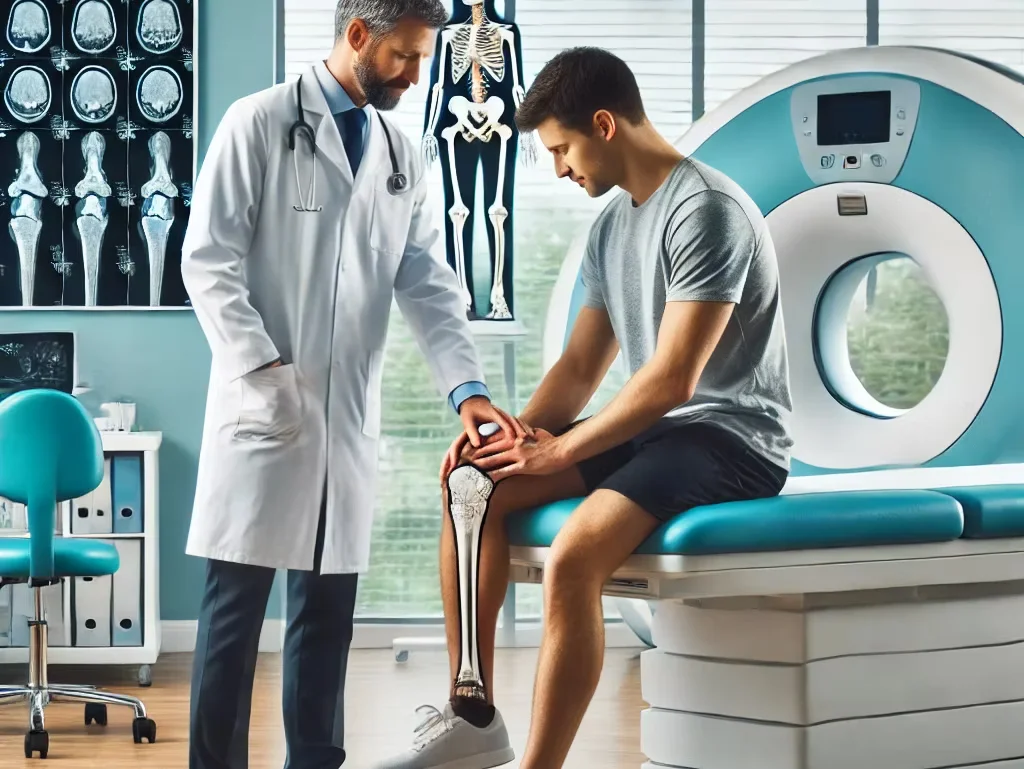
General surgery plays a crucial role in diagnosing, treating, and managing a wide range of medical conditions affecting various organs and systems of the body. Modern surgical care has evolved significantly with the introduction of advanced technologies, minimally invasive techniques, and improved patient-centered treatment approaches that offer better outcomes and faster recovery.
Delta Hospitals is committed to providing comprehensive surgical services supported by experienced surgeons, advanced operation theaters, modern diagnostic facilities, and dedicated postoperative care. Our General Surgery Department delivers safe, effective, and personalized treatment for patients requiring both routine and complex surgical procedures.
Whether you require treatment for hernias, gallbladder disease, appendicitis, gastrointestinal disorders, soft tissue conditions, or emergency surgical problems, our team provides comprehensive care from diagnosis through recovery.
As a trusted General Surgery Hospital Rajahmundry, Delta Hospitals focuses on delivering high-quality surgical care using evidence-based practices and advanced medical technology.
Understanding General Surgery
General surgery is a specialized branch of medicine that focuses on surgical treatment of conditions affecting the abdomen, digestive tract, gallbladder, appendix, liver, pancreas, skin, soft tissues, endocrine glands, and various other body systems.
General surgeons are trained to manage both elective and emergency surgical conditions. They play a critical role in diagnosing diseases, performing surgical interventions, managing complications, and guiding patients through recovery.
Modern surgery increasingly utilizes advanced techniques that reduce tissue trauma, improve patient comfort, and support faster healing. Many procedures that previously required large incisions can now be performed using minimally invasive approaches.
Why Choose Delta Hospitals for General Surgery?
Experienced Surgical Team : Our department is supported by highly qualified surgeons with extensive experience in performing a wide range of surgical procedures.
Advanced Diagnostic Support : Accurate diagnosis forms the foundation of successful surgical treatment. We utilize modern imaging and laboratory facilities to evaluate surgical conditions comprehensively.
Modern Operation Theaters : Our operation theaters are equipped with advanced surgical equipment that supports precision, safety, and improved patient outcomes.
Comprehensive Surgical Care : From preoperative evaluation to postoperative rehabilitation, patients receive complete care under one roof.
Emergency Surgical Services : Emergency surgical conditions require immediate intervention. Our team is available to manage urgent surgical situations around the clock.
Conditions Treated by the General Surgery Department
The General Surgery Department at Delta Hospitals provides comprehensive diagnosis, surgical treatment, and postoperative care for a wide range of conditions affecting the abdomen, digestive system, endocrine glands, skin, soft tissues, and vascular structures. Our experienced surgeons utilize advanced surgical techniques and modern technology to deliver safe, effective, and personalized treatment for both routine and complex surgical conditions.
Hernias
A hernia occurs when an internal organ or tissue protrudes through a weakened area of muscle or connective tissue. Hernias may develop due to muscle weakness, heavy lifting, obesity, chronic coughing, pregnancy, or previous surgical procedures.
Common types include:
- Inguinal hernia
- Umbilical hernia
- Incisional hernia
- Femoral hernia
- Hiatal hernia
Symptoms may include swelling, discomfort, pain, heaviness, and pressure that often worsen during physical activity, coughing, or prolonged standing. If left untreated, some hernias can become trapped or strangulated, requiring emergency surgery. Patients seeking treatment at a specialized Hernia Surgery Hospital Rajahmundry benefit from advanced surgical techniques, including minimally invasive repair methods that reduce recurrence and support faster recovery.
Appendicitis
Appendicitis occurs when the appendix becomes inflamed and infected, resulting in a medical emergency that often requires immediate surgical removal. The condition can affect individuals of all age groups and typically develops suddenly.
Common symptoms include:
- Sudden abdominal pain
- Nausea
- Vomiting
- Fever
- Loss of appetite
Pain usually begins around the navel and gradually shifts to the lower right side of the abdomen. Delayed treatment can result in appendix rupture, severe infection, and potentially life-threatening complications. Early diagnosis and prompt surgical intervention help ensure a smooth recovery and prevent further health risks.
Gallbladder Disease
Gallbladder disorders are among the most common surgical conditions affecting adults. The gallbladder plays an important role in digestion by storing bile produced by the liver.
Common problems include:
- Gallstones
- Gallbladder inflammation
- Gallbladder infection
- Biliary obstruction
Symptoms often include abdominal pain, nausea, bloating, indigestion, vomiting, and discomfort after consuming fatty foods. Untreated gallbladder disease can lead to infection, pancreatitis, and bile duct complications. Many patients undergo Laparoscopic Surgery Rajahmundry for gallbladder removal, which offers smaller incisions, reduced pain, shorter hospital stays, and faster recovery compared to traditional open surgery.
Gastrointestinal Disorders
General surgeons manage numerous digestive system conditions affecting the stomach, intestines, colon, rectum, and other abdominal organs. Many gastrointestinal disorders require timely surgical evaluation to prevent serious complications.
Conditions include:
- Intestinal obstruction
- Gastrointestinal bleeding
- Perforations
- Diverticular disease
- Colorectal disorders
Patients may experience abdominal pain, vomiting, constipation, bleeding, bloating, or changes in bowel habits. Early diagnosis and surgical intervention help restore normal digestive function, prevent complications, and improve overall quality of life.
Soft Tissue Disorders
Soft tissue conditions involving the skin, muscles, fatty tissues, and connective tissues often require surgical treatment for symptom relief and definitive management.
Examples include:
- Lipomas
- Cysts
- Abscesses
- Skin tumors
- Soft tissue infections
These conditions may cause discomfort, swelling, cosmetic concerns, or recurrent infections. Surgical removal not only provides symptom relief but also allows pathological examination when necessary to rule out more serious conditions.
Thyroid Disorders
The thyroid gland regulates metabolism and numerous body functions through hormone production. Certain thyroid disorders may require surgery when medications are ineffective or when suspicious growths are detected.
Common indications include:
- Thyroid nodules
- Goiter
- Hyperthyroidism
- Thyroid cancer
Symptoms may include neck swelling, difficulty swallowing, voice changes, hormonal imbalance, and breathing difficulties in severe cases. Specialized thyroid surgery helps effectively treat the condition while preserving important surrounding structures such as nerves and parathyroid glands.
Breast Conditions
General surgeons evaluate and manage a variety of benign and malignant breast disorders. Early assessment is important because many breast conditions can be treated more effectively when detected promptly.
These may include:
- Breast lumps
- Fibroadenomas
- Breast infections
- Cysts
- Breast tumors
Symptoms can range from painless lumps and swelling to pain, nipple discharge, and skin changes. Comprehensive evaluation, imaging studies, and biopsy procedures help establish an accurate diagnosis and guide treatment decisions. Early diagnosis significantly improves treatment success and patient outcomes.
Varicose Veins
Varicose veins occur when veins become enlarged, twisted, and dysfunctional due to weakened vein walls or damaged valves. The condition commonly affects the legs and may worsen over time if left untreated.
Symptoms may include:
- Leg pain
- Swelling
- Heaviness
- Visible twisted veins
Patients may also experience itching, burning sensations, muscle cramps, and skin discoloration around affected veins. Modern treatment options include minimally invasive procedures that improve blood circulation, relieve symptoms, and enhance cosmetic appearance with minimal downtime.
Hemorrhoids (Piles)
Hemorrhoids are swollen veins located in the lower rectum and anus. They are a common condition that can cause discomfort and interfere with daily activities.
Common symptoms include:
- Rectal bleeding
- Pain during bowel movements
- Itching
- Swelling around the anus
While mild cases may improve with conservative treatment, advanced hemorrhoids may require surgical intervention for long-term relief and improved quality of life.
Pilonidal Sinus
A pilonidal sinus is a small tunnel or cavity that develops near the tailbone and often contains hair and debris. It can become infected and cause recurring discomfort.
Symptoms may include:
- Pain while sitting
- Swelling
- Redness
- Pus discharge
Surgical treatment helps eliminate infection, prevent recurrence, and promote complete healing.
Advanced Surgical Diagnostics
Accurate diagnosis is critical for effective treatment planning and successful surgical outcomes. At Delta Hospitals, the General Surgery Department utilizes advanced diagnostic technologies and comprehensive clinical evaluation to identify surgical conditions at an early stage. Detailed assessment helps surgeons determine the exact cause of symptoms, evaluate disease severity, and develop personalized treatment strategies that ensure safe and effective care.
Clinical Evaluation
The diagnostic process begins with a detailed medical history and comprehensive physical examination. Surgeons carefully evaluate symptoms, duration of illness, previous medical conditions, lifestyle factors, and family history to gain a complete understanding of the patient’s health status.
Clinical evaluation helps assess:
- Nature and severity of symptoms
- Disease progression
- Surgical urgency
- Overall health condition
- Potential treatment options
This initial assessment plays a vital role in determining the most appropriate diagnostic investigations and treatment plan for each patient.
Laboratory Investigations
Blood tests provide valuable information about overall health and help identify underlying medical conditions that may affect surgical planning and recovery. Laboratory investigations also assist in diagnosing infections, inflammation, organ dysfunction, and metabolic disorders.
Common investigations include:
- Complete Blood Count (CBC)
- Blood Sugar Levels
- Kidney Function Tests
- Liver Function Tests
- Coagulation Profile
Additional tests may be recommended based on the patient’s condition and planned procedure. These investigations help surgeons assess surgical fitness, minimize risks, and optimize patient safety before treatment.
Ultrasound Imaging
Ultrasound is a safe, non-invasive imaging technique that uses sound waves to produce real-time images of internal organs and soft tissues. It is often one of the first diagnostic tools used in evaluating surgical conditions because it provides quick and accurate information without radiation exposure.
Ultrasound helps diagnose:
- Gallstones
- Hernias
- Thyroid disorders
- Soft tissue masses
It can also identify abdominal infections, fluid collections, cysts, enlarged organs, and vascular abnormalities. Ultrasound plays a crucial role in guiding treatment decisions and monitoring disease progression.
CT Scan
Computed Tomography (CT) imaging provides highly detailed cross-sectional images of internal organs, blood vessels, bones, and soft tissues. CT scans offer greater anatomical detail than conventional imaging methods and are particularly valuable in complex surgical cases.
It is especially useful for diagnosing:
- Abdominal emergencies
- Tumors
- Intestinal obstruction
- Trauma evaluation
CT imaging helps surgeons accurately locate abnormalities, assess the extent of disease, identify complications, and plan surgical procedures with greater precision. In emergency situations, rapid CT evaluation can be lifesaving by enabling immediate treatment decisions.
Endoscopic Procedures
Endoscopy is a minimally invasive diagnostic procedure that allows direct visualization of the digestive tract using a flexible tube equipped with a camera and light source. This technique provides detailed images of internal structures that may not be visible through external imaging studies.
Endoscopy helps diagnose:
- Ulcers
- Bleeding
- Tumors
- Gastrointestinal disorders
The procedure can also assist in obtaining tissue biopsies for laboratory analysis and, in some cases, provide therapeutic treatment during the same session. Endoscopy plays a significant role in the early detection of digestive disorders and gastrointestinal cancers.
Laparoscopic Surgery Services
Modern surgery increasingly utilizes minimally invasive techniques.
Laparoscopic Surgery Rajahmundry involves performing surgical procedures through small incisions using specialized instruments and cameras.
Benefits include:
- Smaller scars
- Reduced pain
- Faster recovery
- Less blood loss
- Shorter hospital stay
- Earlier return to normal activities
Laparoscopic Appendectomy
Appendix removal can often be performed laparoscopically, reducing postoperative discomfort and recovery time.
Laparoscopic Cholecystectomy
Gallbladder removal is one of the most commonly performed laparoscopic procedures.
Patients typically experience:
- Less pain
- Short hospitalization
- Faster return to daily activities
Laparoscopic Hernia Repair
Modern hernia repair techniques utilize mesh reinforcement and minimally invasive approaches.
Patients treated at a leading Hernia Surgery Hospital Rajahmundry often benefit from reduced postoperative discomfort and quicker recovery.
Laparoscopic Gastrointestinal Surgery
Many gastrointestinal procedures can now be performed laparoscopically, improving surgical outcomes and patient comfort.
Minimally Invasive Surgery
Advancements in surgical technology have transformed patient care.
Minimally Invasive Surgery Rajahmundry allows surgeons to perform complex procedures using specialized instruments inserted through small incisions.
Benefits include:
- Reduced tissue trauma
- Lower infection risk
- Faster healing
- Improved cosmetic results
- Shorter recovery period
These techniques have become an important component of modern surgical care.
Hernia Surgery Services
Hernias are among the most common conditions requiring surgical treatment.
At Delta Hospitals, hernia treatment is individualized based on:
- Hernia type
- Hernia size
- Patient health status
- Previous surgical history
Our surgeons provide advanced repair techniques that reduce recurrence risk and support long-term success.
Patients seeking treatment from a trusted Hernia Surgery Hospital Rajahmundry receive comprehensive care from diagnosis through recovery.
Emergency General Surgery
Certain surgical conditions require urgent medical attention.
Emergency procedures may be required for:
- Appendicitis
- Intestinal obstruction
- Trauma
- Perforations
- Internal bleeding
- Severe infections
Prompt surgical intervention helps prevent complications and improves patient outcomes.
Postoperative Care & Recovery
Successful surgery extends beyond the operating room.
Comprehensive postoperative care includes:
- Pain management
- Wound care
- Infection prevention
- Nutritional guidance
- Mobility support
- Follow-up monitoring
Our team works closely with patients throughout the recovery process to ensure optimal healing and long-term success.
Surgical Safety & Patient Care
Patient safety remains a top priority at Delta Hospitals.
Our department follows strict protocols regarding:
- Infection control
- Surgical planning
- Anesthesia safety
- Postoperative monitoring
- Quality assurance
These measures help ensure the highest standards of care throughout the surgical journey.
Our Expert Surgical Team
Delta Hospitals is supported by experienced general surgeons, anesthesiologists, nursing professionals, intensivists, radiologists, and rehabilitation specialists.
Through a multidisciplinary approach, patients receive personalized care tailored to their specific medical needs and treatment goals.
Our team remains committed to delivering compassionate care while utilizing the latest advancements in surgical science and technology.
Advanced Surgical Care You Can Trust
Delta Hospitals continues to strengthen its reputation as a leading General Surgery Hospital Rajahmundry by combining experienced surgeons, advanced surgical technology, and comprehensive patient care. Whether you require treatment through Laparoscopic Surgery Rajahmundry, advanced Minimally Invasive Surgery Rajahmundry, or specialized care at a trusted Hernia Surgery Hospital Rajahmundry, our surgical team is dedicated to achieving the best possible outcomes.
Through accurate diagnosis, modern surgical techniques, personalized treatment plans, and comprehensive postoperative support, Delta Hospitals helps patients recover safely, regain confidence, and return to healthy, active lives.
FAQs
1. Why are surgical diagnostic tests important?
Diagnostic tests help identify the exact cause of symptoms, assess disease severity, and guide appropriate treatment planning.
2. What is included in a surgical evaluation?
A surgical evaluation typically includes medical history review, physical examination, laboratory tests, and imaging studies.
3. Why are blood tests performed before surgery?
Blood tests assess overall health, detect infections, evaluate organ function, and ensure patients are fit for surgery.
4. What conditions can ultrasound detect?
Ultrasound can help diagnose gallstones, hernias, thyroid disorders, cysts, soft tissue masses, and abdominal abnormalities.
5. Is ultrasound safe?
Yes. Ultrasound is a safe, painless, and non-invasive imaging procedure that does not use radiation.
6. When is a CT scan recommended?
CT scans are commonly recommended for trauma, abdominal emergencies, tumors, intestinal obstruction, and complex surgical conditions.
7. What is an endoscopy?
Endoscopy is a minimally invasive procedure that uses a flexible camera to examine the digestive tract and identify abnormalities.
8. Can endoscopy detect cancer?
Yes. Endoscopy can identify suspicious growths and allow tissue biopsy for further evaluation and diagnosis.
9. How long do diagnostic investigations usually take?
Most routine blood tests and imaging studies are completed within a few hours, while some specialized investigations may take longer.
10. Why choose Delta Hospitals for surgical diagnostics?
Delta Hospitals offers advanced diagnostic technology, experienced specialists, accurate evaluations, and comprehensive surgical care under one roof.