
Common Brain and Spine Disorders That Require Expert Neurosurgical Care
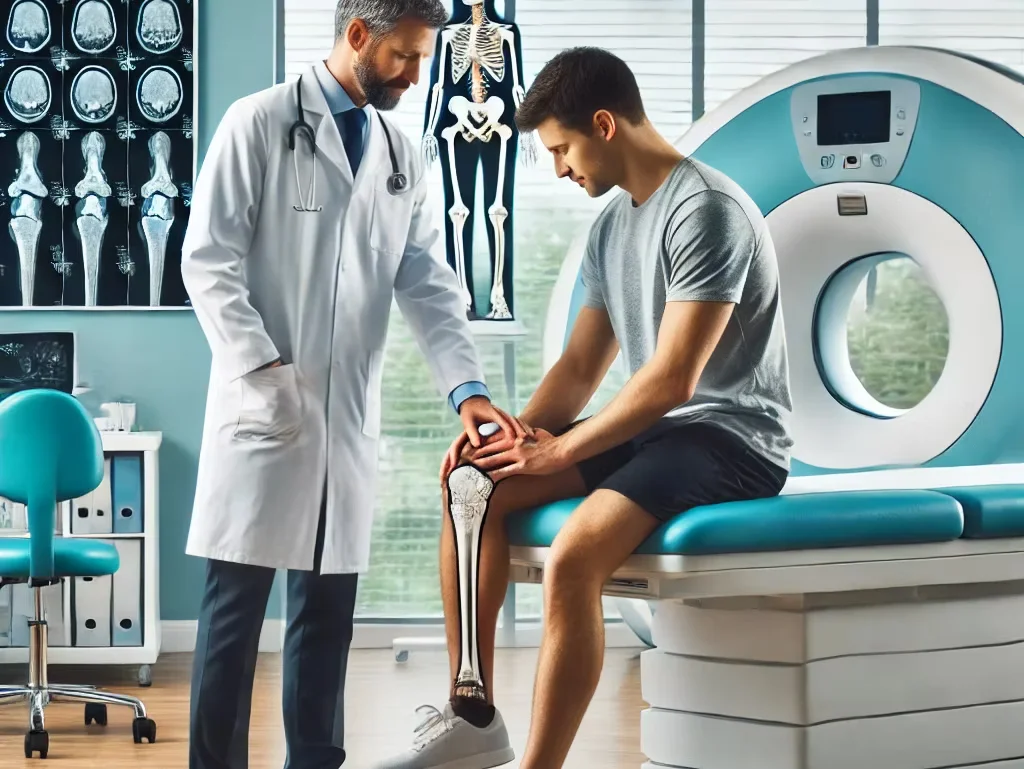
The brain, spinal cord, and nervous system control every function of the human body. Disorders affecting these critical structures can significantly impact movement, sensation, memory, speech, coordination, and overall quality of life. Early diagnosis and timely intervention are essential for achieving successful treatment outcomes and preventing permanent neurological damage.
Delta Hospitals offers comprehensive neurosurgical services supported by advanced technology, experienced specialists, modern operating facilities, and multidisciplinary care. Our Neurosciences Department provides specialized treatment for a wide range of brain, spine, and nerve disorders, helping patients receive world-class neurological care close to home.
Patients seeking treatment at a trusted Neurosurgery Hospital Rajahmundry can rely on Delta Hospitals for accurate diagnosis, advanced surgical expertise, personalized treatment plans, and comprehensive rehabilitation support.
Understanding Neurosurgery
Neurosurgery is a highly specialized branch of medicine focused on diagnosing and treating conditions affecting the brain, spinal cord, peripheral nerves, and cerebrovascular system. Neurosurgeons manage both emergency and elective conditions, ranging from traumatic injuries and brain tumors to complex spinal disorders and nerve compression syndromes.
Modern neurosurgery has evolved significantly over the past decade. Advanced imaging techniques, minimally invasive procedures, microsurgical technology, and neuronavigation systems have improved surgical precision and patient outcomes.
At Delta Hospitals, our neurosurgical team works closely with neurologists, critical care specialists, radiologists, rehabilitation experts, and nursing professionals to ensure comprehensive patient care.
Why Choose Delta Hospitals for Neurosurgery?
Experienced Neurosurgical Team : Our department is supported by highly qualified neurosurgeons with expertise in brain surgery, spine surgery, trauma care, and advanced neurological procedures.
Advanced Diagnostic Technology : Accurate diagnosis is the first step toward effective treatment. We utilize advanced imaging and neurological evaluation tools to identify neurological disorders with precision.
Modern Neurosurgical Facilities : State-of-the-art operation theaters equipped with advanced surgical technology support safe and effective neurosurgical procedures.
Comprehensive Patient Care : From diagnosis and surgery to rehabilitation and long-term follow-up, patients receive complete neurological care under one roof.
Emergency Neuro Care
- Neurological emergencies require rapid intervention. Our team is equipped to manage stroke, brain hemorrhage, head injuries, and spinal trauma with timely treatment.
- As a leading Neuro Specialist Hospital Rajahmundry, Delta Hospitals remains committed to delivering exceptional neurological care for patients of all ages.
Conditions Treated by the Neurosurgery Department
The Neurosurgery Department at Delta Hospitals provides comprehensive diagnosis, advanced treatment, and long-term management for a wide range of disorders affecting the brain, spine, nerves, and cerebrovascular system. Our specialists utilize modern diagnostic technologies, advanced surgical techniques, and multidisciplinary care to help patients achieve the best possible neurological outcomes.
Brain Tumors
Brain tumors may be benign (non-cancerous) or malignant (cancerous) and can affect various neurological functions depending on their size and location. As tumors grow, they may exert pressure on surrounding brain tissues, leading to symptoms that interfere with daily activities and quality of life.
Common symptoms include:
- Persistent headaches
- Seizures
- Vision problems
- Memory difficulties
- Weakness of limbs
- Speech disturbances
Some patients may also experience personality changes, balance problems, hearing loss, or difficulty concentrating. Early diagnosis through advanced imaging and timely treatment can significantly improve outcomes. Depending on the tumor type and location, treatment may involve surgery, radiation therapy, chemotherapy, or a combination of therapies.
Stroke & Cerebrovascular Disorders
Stroke occurs when blood supply to part of the brain is interrupted due to a blocked artery or bleeding within the brain. It is one of the leading causes of disability and requires immediate medical attention.
Symptoms may include:
- Sudden weakness
- Facial drooping
- Speech difficulty
- Loss of balance
- Vision disturbances
Additional symptoms may include confusion, severe headache, numbness, and difficulty understanding speech. Rapid diagnosis and intervention are critical because timely treatment can help restore blood flow, reduce brain damage, and improve recovery outcomes. Specialized neurocritical care and rehabilitation play an important role in post-stroke recovery.
Traumatic Brain Injury
Head injuries resulting from road traffic accidents, falls, sports injuries, workplace incidents, or other trauma can cause significant damage to brain structures. The severity may range from mild concussions to life-threatening brain injuries requiring emergency surgery.
Potential complications include:
- Brain swelling
- Skull fractures
- Internal bleeding
- Cognitive impairment
- Loss of consciousness
Patients may also experience memory loss, behavioral changes, headaches, dizziness, and difficulty concentrating. Timely neurosurgical intervention may be required to reduce pressure within the skull, remove blood clots, repair fractures, and prevent further neurological damage.
Brain Hemorrhage
Brain hemorrhage refers to bleeding within the brain tissue or surrounding spaces. It is a serious medical emergency that can rapidly become life-threatening if not treated promptly.
Symptoms often include:
- Sudden severe headache
- Vomiting
- Weakness
- Loss of consciousness
- Seizures
Other signs may include speech difficulties, confusion, visual disturbances, and paralysis on one side of the body. Early diagnosis through emergency imaging and immediate medical or surgical treatment can significantly improve survival rates and neurological recovery.
Hydrocephalus
Hydrocephalus occurs when excess cerebrospinal fluid accumulates within the brain’s ventricular system, increasing pressure inside the skull. The condition may affect infants, children, adults, and elderly individuals.
Symptoms may include:
- Headaches
- Nausea
- Vision changes
- Walking difficulties
- Cognitive decline
In children, hydrocephalus may also cause developmental delays and abnormal head enlargement. Specialized neurosurgical procedures such as shunt placement or endoscopic treatment can effectively manage fluid accumulation, relieve pressure, and improve neurological function.
Epilepsy & Seizure Disorders
Epilepsy is characterized by recurrent seizures caused by abnormal electrical activity within the brain. Seizures may vary from brief episodes of staring to severe convulsions and loss of consciousness.
Symptoms may include:
- Recurrent seizures
- Temporary confusion
- Loss of awareness
- Uncontrolled movements
- Memory disturbances
While many patients respond well to medications, some individuals may continue to experience seizures despite optimal medical therapy. Advanced neurosurgical evaluation helps identify patients who may benefit from surgical treatment, neurostimulation devices, or other specialized interventions. Treatment aims to reduce seizure frequency, improve safety, and enhance quality of life.
Spinal Disc Disorders
Spinal discs act as cushions between vertebrae and help maintain flexibility and movement of the spine. Degeneration, injury, or herniation of these discs can compress nearby nerves and cause significant discomfort.
Common complaints include:
- Neck pain
- Back pain
- Leg pain
- Numbness
- Muscle weakness
Patients may also experience tingling sensations, reduced mobility, and difficulty performing routine activities. Early diagnosis and appropriate treatment can help prevent permanent nerve damage. Patients requiring advanced treatment often seek care at a specialized Spine Surgery Hospital Rajahmundry capable of providing comprehensive evaluation and surgical expertise.
Spinal Canal Stenosis
Spinal stenosis occurs when narrowing of the spinal canal places pressure on the spinal cord or nerve roots. The condition commonly develops due to age-related changes, arthritis, disc degeneration, or ligament thickening.
Symptoms may include:
- Back pain
- Walking difficulty
- Leg weakness
- Numbness
- Balance problems
Some patients experience worsening symptoms while standing or walking and relief when sitting or bending forward. Advanced surgical procedures can relieve pressure on affected nerves, improve mobility, and restore quality of life.
Spinal Tumors
Tumors affecting the spine may originate within spinal tissues or spread from cancers located elsewhere in the body. These tumors can compress nerves, weaken spinal structures, and interfere with normal neurological function.
Patients may experience:
- Persistent back pain
- Weakness
- Sensory changes
- Difficulty walking
Additional symptoms may include bladder dysfunction, bowel disturbances, and progressive neurological deficits. Specialized neurosurgical treatment helps preserve neurological function, relieve symptoms, and improve patient outcomes through personalized treatment planning.
Spinal Trauma
Road accidents, falls, sports injuries, and workplace trauma can result in spinal fractures, instability, or spinal cord damage. Such injuries require immediate evaluation because delays in treatment may lead to permanent disability.
Symptoms may include:
- Severe back or neck pain
- Weakness of limbs
- Numbness
- Loss of sensation
- Difficulty walking
Prompt diagnosis, stabilization, and surgical intervention are often essential to prevent further neurological deterioration and support recovery. Comprehensive rehabilitation also plays a crucial role in helping patients regain independence and functional abilities.
Peripheral Nerve Disorders
Peripheral nerves carry signals between the brain, spinal cord, and the rest of the body. Damage or compression of these nerves can cause pain, weakness, numbness, and impaired movement.
Common conditions include:
- Carpal tunnel syndrome
- Ulnar nerve compression
- Peripheral nerve injuries
- Entrapment neuropathies
Advanced diagnostic evaluation and surgical treatment can help relieve symptoms and restore nerve function.
Advanced Neurological Diagnostics
Accurate diagnosis is essential for successful neurological treatment.
MRI Brain & Spine
Magnetic Resonance Imaging (MRI) provides highly detailed images of the brain, spinal cord, nerves, and surrounding structures.
MRI assists in diagnosing:
- Brain tumors
- Stroke
- Disc prolapse
- Spinal cord disorders
- Nerve compression
It plays a crucial role in treatment planning and surgical decision-making.
CT Scan
CT imaging is particularly valuable in emergency neurological situations.
It helps identify:
- Brain hemorrhage
- Skull fractures
- Stroke
- Head injuries
Fast imaging allows specialists to initiate treatment without delay.
Cerebral Angiography
This specialized imaging procedure evaluates blood vessels supplying the brain.
It assists in diagnosing:
- Aneurysms
- Vascular malformations
- Blood vessel blockages
- Cerebrovascular abnormalities
Detailed vascular imaging helps guide treatment planning and intervention.
Electroencephalography (EEG)
EEG records electrical activity within the brain and is commonly used for evaluating seizure disorders.
The test helps:
- Diagnose epilepsy
- Identify seizure patterns
- Monitor treatment effectiveness
- Guide neurological management
Nerve Conduction Studies
These tests evaluate nerve function and help diagnose peripheral nerve disorders.
Conditions commonly assessed include:
- Nerve injuries
- Neuropathies
- Carpal tunnel syndrome
- Nerve compression syndromes
Neurological Assessment
Comprehensive neurological examination allows specialists to evaluate:
- Motor function
- Sensation
- Reflexes
- Coordination
- Balance
- Cognitive abilities
This assessment provides valuable information regarding neurological health and disease severity.
Advanced Neurosurgical Procedures
Delta Hospitals offers a wide range of neurosurgical procedures using modern technology and evidence-based techniques.
Brain Tumor Surgery : Advanced microsurgical techniques help remove tumors while preserving healthy brain tissue and critical neurological functions.
Skull Base Surgery : Complex tumors and lesions located near critical structures may require highly specialized skull base surgical approaches.
Aneurysm Surgery : Surgical treatment helps prevent rupture and complications associated with cerebral aneurysms.
Spine Surgery
As a trusted Spine Surgery Hospital Rajahmundry, Delta Hospitals performs advanced procedures for:
- Disc prolapse
- Spinal stenosis
- Spinal instability
- Spinal trauma
- Degenerative spine disorders
Modern techniques help minimize tissue damage and support faster recovery.
Minimally Invasive Spine Surgery
These procedures use smaller incisions and specialized instruments to reduce postoperative discomfort and accelerate healing.
Benefits include:
- Less pain
- Reduced blood loss
- Faster recovery
- Shorter hospital stay
Trauma Neurosurgery
Emergency neurosurgical interventions help manage life-threatening brain and spinal injuries resulting from accidents and trauma.
Neuro Rehabilitation Services
Recovery often continues after surgery. Comprehensive rehabilitation plays an important role in restoring function and independence.
Services include:
- Physiotherapy
- Occupational therapy
- Speech therapy
- Cognitive rehabilitation
- Mobility training
Personalized rehabilitation programs help patients achieve optimal recovery.
Our Expert Neurosciences Team
Delta Hospitals is supported by experienced neurosurgeons, neurologists, neuro-anesthetists, critical care specialists, rehabilitation experts, and trained nursing professionals.
Patients seeking consultation with a Brain Specialist Doctor Rajahmundry benefit from multidisciplinary expertise and individualized treatment plans tailored to their specific neurological condition.
Our team remains committed to delivering compassionate care while utilizing the latest advances in neurological medicine and surgery.
Advanced Neurosurgical Care You Can Trust
Delta Hospitals continues to strengthen its reputation as a leading Neurosurgery Hospital Rajahmundry through advanced technology, experienced specialists, and comprehensive patient care. Whether you require consultation with a Brain Specialist Doctor Rajahmundry, treatment at a trusted Neuro Specialist Hospital Rajahmundry, or advanced care from a dedicated Spine Surgery Hospital Rajahmundry, our team is committed to providing world-class neurological services.
Through accurate diagnosis, advanced surgical expertise, personalized treatment plans, and comprehensive rehabilitation support, Delta Hospitals helps patients achieve better neurological health, improved quality of life, and long-term well-being.
FAQs
1. When should I consult a neurosurgeon?
You should consult a neurosurgeon if you experience persistent headaches, seizures, spinal pain, weakness, numbness, or have been diagnosed with a brain or spine disorder.
2. What conditions does a neurosurgeon treat?
Neurosurgeons treat brain tumors, stroke, spinal disorders, head injuries, hydrocephalus, epilepsy, nerve compression, and spinal trauma.
3. Is brain surgery always required for brain tumors?
No. Treatment depends on the tumor type, size, location, and symptoms. Some tumors may be managed with observation, radiation therapy, or medications.
4. What are the common symptoms of a spinal disc problem?
Back pain, neck pain, leg pain, numbness, tingling, and muscle weakness are common symptoms.
5. Can spinal disorders be treated without surgery?
Yes. Many spinal conditions can be managed with medications, physiotherapy, lifestyle modifications, and pain management treatments.
6. What is hydrocephalus?
Hydrocephalus is a condition where excess fluid accumulates within the brain, increasing pressure and causing neurological symptoms.
7. What should I do if someone shows signs of a stroke?
Seek emergency medical attention immediately. Early treatment significantly improves recovery and reduces complications.
8. How long does recovery take after neurosurgery?
Recovery varies depending on the condition and procedure performed. Some patients recover within weeks, while others may require longer rehabilitation.
9. Are minimally invasive spine surgeries available?
Yes. Many spine conditions can be treated using minimally invasive techniques that reduce pain, scarring, and recovery time.
10. Why choose Delta Hospitals for neurosurgical care?
Delta Hospitals offers experienced neurosurgeons, advanced diagnostic facilities, modern surgical technology, neurocritical care, and comprehensive rehabilitation services under one roof.