
Everything You Need to Know About Kidney Stones and Modern Treatment Options
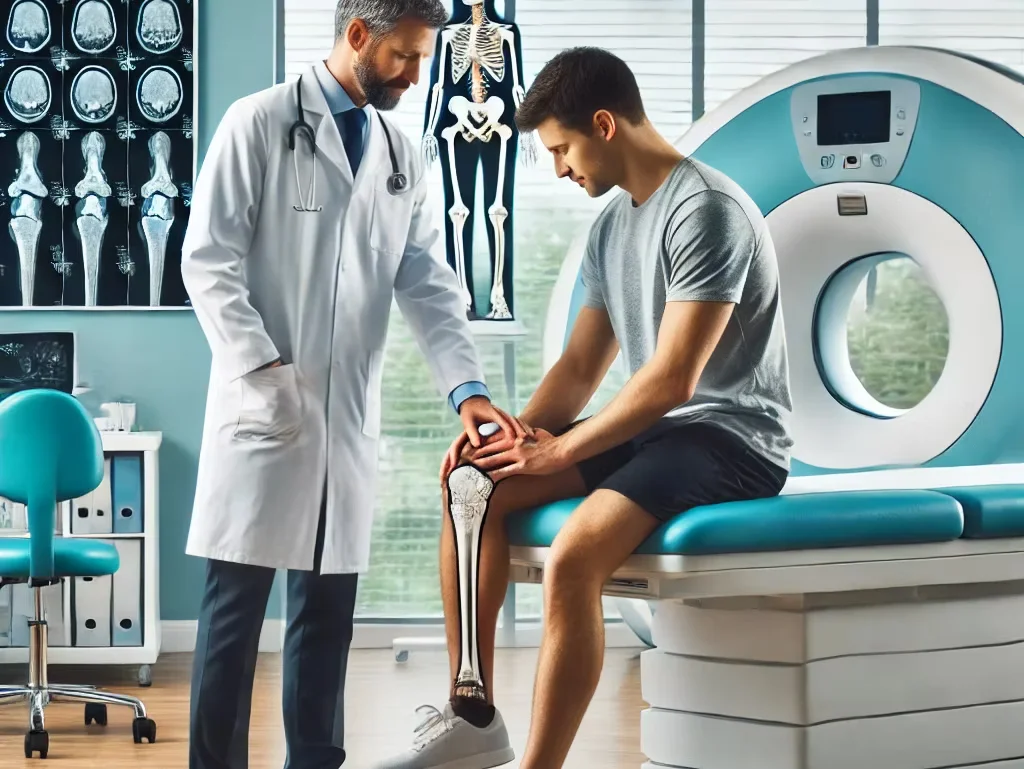
The urinary system plays a vital role in maintaining overall health by removing waste products, regulating fluid balance, and supporting normal body functions. Disorders affecting the kidneys, ureters, bladder, urethra, and male reproductive organs can significantly impact quality of life if left untreated. Early diagnosis and expert medical care are essential for preventing complications and restoring normal urinary function.
Delta Hospitals provides comprehensive urology services supported by experienced specialists, advanced diagnostic facilities, modern surgical technology, and patient-focused treatment plans. Our Urology Department offers specialized care for a wide range of urinary tract and male reproductive system disorders, from common kidney stones and urinary infections to complex urological conditions requiring advanced surgical intervention.
Patients seeking expert urological care can trust Delta Hospitals for accurate diagnosis, personalized treatment, and long-term management designed to achieve the best possible outcomes.
Understanding Urology
Urology is a specialized branch of medicine focused on the diagnosis, treatment, and prevention of diseases affecting the urinary tract and male reproductive system. Urologists manage conditions involving the kidneys, ureters, bladder, urethra, prostate gland, and reproductive organs.
Many urological conditions can cause discomfort, pain, urinary difficulties, infections, or impaired kidney function. Modern advances in urology have made it possible to diagnose and treat these conditions using minimally invasive techniques that improve recovery and patient comfort.
As a trusted Urology Hospital Rajahmundry, Delta Hospitals provides comprehensive evaluation and treatment for patients of all age groups.
Why Choose Delta Hospitals for Urology Care?
Experienced Urology Specialists : Our department is supported by highly qualified urologists with extensive experience in managing both routine and complex urological disorders. Every patient receives individualized care based on their symptoms, diagnosis, and treatment goals.
Advanced Diagnostic Facilities : Accurate diagnosis is essential for successful treatment. We utilize modern imaging technology, laboratory investigations, endoscopic evaluations, and specialized urological testing to identify the underlying cause of symptoms.
Minimally Invasive Procedures : Many urological conditions can now be treated using advanced minimally invasive techniques that reduce pain, shorten hospital stays, and support faster recovery.
Comprehensive Patient Care : From diagnosis and treatment to rehabilitation and long-term follow-up, patients receive complete care under one roof.
Emergency Urology Services : Our specialists are available to manage urgent conditions such as severe kidney stone pain, urinary retention, bleeding, and obstructive urological emergencies.
Conditions Treated by the Urology Department
The Urology Department at Delta Hospitals provides comprehensive diagnosis, treatment, and long-term management for a wide range of urinary tract and male reproductive system disorders. Our specialists utilize advanced diagnostic technologies and modern treatment techniques to ensure accurate diagnosis, effective treatment, and improved patient outcomes.
Kidney Stones
Kidney stones are among the most common urological conditions affecting both men and women. They develop when minerals and salts present in urine crystallize and form hard deposits within the kidneys or urinary tract. Stone size can vary from tiny crystals to large stones that obstruct urine flow and cause severe pain.
Symptoms may include:
- Severe flank pain
- Blood in urine
- Nausea and vomiting
- Painful urination
- Frequent urination
Some patients may also experience fever, chills, or urinary obstruction if infection develops. Patients seeking advanced Kidney Stone Treatment Rajahmundry benefit from modern diagnostic techniques, minimally invasive procedures, and personalized treatment plans designed to remove stones effectively while preserving kidney function and preventing recurrence.
Urinary Tract Infections (UTIs)
Urinary tract infections occur when bacteria enter the urinary system and multiply within the bladder, urethra, ureters, or kidneys. Although UTIs are more common in women, they can affect individuals of all ages and genders.
Common symptoms include:
- Burning during urination
- Frequent urination
- Cloudy urine
- Pelvic discomfort
- Fever in severe infections
If left untreated, infections may spread to the kidneys and cause more serious complications. Prompt diagnosis and appropriate treatment help eliminate infection, relieve symptoms, and protect long-term urinary tract health.
Enlarged Prostate (BPH)
Benign Prostatic Hyperplasia (BPH) is a non-cancerous enlargement of the prostate gland commonly seen in aging men. As the prostate enlarges, it may compress the urethra and interfere with normal urine flow, resulting in bothersome urinary symptoms.
Common symptoms include:
- Weak urine stream
- Frequent urination
- Nighttime urination
- Difficulty starting urination
- Incomplete bladder emptying
Additional symptoms may include urgency, dribbling, and urinary retention. Treatment options range from lifestyle modifications and medications to advanced minimally invasive procedures and surgery, depending on symptom severity and impact on daily life.
Prostate Disorders
The prostate gland can be affected by various conditions including inflammation (prostatitis), enlargement, infections, and prostate cancer. These disorders can significantly affect urinary function and overall quality of life if not addressed promptly.
Symptoms may include:
- Pelvic pain
- Difficulty urinating
- Frequent urination
- Painful urination
- Blood in urine or semen
Comprehensive evaluation allows specialists to determine the underlying cause and recommend the most appropriate treatment. Regular prostate screening is particularly important for men above the age of 50 and individuals with a family history of prostate disease.
Bladder Disorders
The bladder plays an essential role in storing and eliminating urine. Disorders affecting bladder function can lead to significant discomfort and disruption of daily activities.
Common bladder disorders include:
- Overactive bladder
- Urinary incontinence
- Bladder stones
- Bladder infections
- Bladder tumors
Patients may experience urgency, frequent urination, leakage of urine, pain, or difficulty emptying the bladder completely. Specialized evaluation helps identify the cause and guide effective treatment strategies that improve bladder control and overall quality of life.
Male Infertility
Male infertility contributes to a significant percentage of infertility cases among couples. It may result from hormonal imbalances, infections, genetic factors, varicocele, reproductive tract obstruction, or abnormalities in sperm production and function.
Evaluation may include:
- Semen analysis
- Hormonal assessment
- Ultrasound imaging
- Genetic testing when required
Our urology team provides comprehensive fertility assessment and personalized treatment options to help couples achieve their reproductive goals while addressing underlying health concerns.
Erectile Dysfunction
Erectile dysfunction (ED) is the inability to achieve or maintain an erection sufficient for satisfactory sexual activity. It is a common condition that may affect men of different age groups and can have a significant impact on confidence, relationships, and emotional well-being.
The condition may result from:
- Diabetes
- High blood pressure
- Heart disease
- Hormonal disorders
- Neurological conditions
- Psychological stress
Accurate diagnosis helps identify the underlying cause and allows specialists to develop personalized treatment plans that improve sexual function, confidence, and quality of life.
Urinary Incontinence
Urinary incontinence refers to the involuntary leakage of urine and can affect both men and women. The condition may develop due to weakened pelvic floor muscles, neurological disorders, bladder dysfunction, or age-related changes.
Common types include:
- Stress incontinence
- Urge incontinence
- Overflow incontinence
- Mixed incontinence
Treatment may involve lifestyle modifications, pelvic floor exercises, medications, minimally invasive procedures, or surgery depending on the severity and underlying cause.
Urological Cancers
The urology department also evaluates and manages cancers affecting the urinary and male reproductive systems, including:
- Kidney cancer
- Bladder cancer
- Prostate cancer
- Testicular cancer
Early diagnosis through screening, imaging studies, and specialized investigations significantly improves treatment outcomes. Comprehensive treatment planning ensures patients receive timely and appropriate care based on the type and stage of cancer.
Advanced Urological Diagnostics
Accurate diagnosis forms the foundation of successful treatment.
Laboratory Investigations
Blood and urine tests help evaluate kidney function, detect infections, and identify metabolic abnormalities contributing to urinary disorders.
Common investigations include:
- Complete blood count
- Kidney function tests
- Urine analysis
- Urine culture
- PSA testing
Ultrasound Imaging
Ultrasound provides real-time visualization of the kidneys, bladder, prostate, and urinary tract without radiation exposure.
It helps diagnose:
- Kidney stones
- Urinary obstruction
- Enlarged prostate
- Kidney cysts
- Bladder abnormalities
CT Scan
CT imaging offers detailed evaluation of urinary tract structures and is particularly valuable for diagnosing kidney stones and complex urological conditions.
Cystoscopy
Cystoscopy involves inserting a small camera through the urethra to directly visualize the bladder and urinary tract.
This procedure helps diagnose:
- Bladder tumors
- Urinary strictures
- Recurrent infections
- Unexplained bleeding
Urodynamic Studies
These specialized tests assess bladder function and help diagnose urinary incontinence, retention, and other voiding disorders.
Kidney Stone Treatment Services
Kidney stone disease remains one of the most common reasons patients seek urological care. These stones form when minerals and salts present in urine crystallize and accumulate within the kidneys or urinary tract. While some stones may pass naturally, others can cause severe pain, urinary obstruction, infections, and kidney damage if not treated promptly.
At Delta Hospitals, we provide comprehensive Kidney Stone Treatment Rajahmundry using advanced diagnostic technologies, minimally invasive procedures, and personalized treatment plans. Our goal is to ensure complete stone clearance while preserving kidney function and minimizing the risk of recurrence.
Medical Stone Management
Small kidney stones often pass naturally through the urinary tract with appropriate medical support. Treatment focuses on relieving symptoms, facilitating stone passage, and preventing complications.
Management may include:
- Adequate hydration
- Pain control medications
- Medications to relax the urinary tract
- Dietary modifications
- Regular monitoring through imaging studies
Patients are closely supervised to ensure successful stone passage and to identify situations where further intervention may be necessary.
Extracorporeal Shock Wave Lithotripsy (ESWL)
Extracorporeal Shock Wave Lithotripsy (ESWL) is a non-invasive treatment that uses focused shock waves to break kidney stones into smaller fragments. These fragments can then pass naturally through urine over time.
Benefits of ESWL include:
- No surgical incision
- Minimal discomfort
- Short recovery period
- Outpatient treatment in many cases
- Reduced hospital stay
This technique is particularly effective for selected stone sizes and locations and is often recommended for patients seeking less invasive treatment options.
Ureteroscopy (URS)
Ureteroscopy is a highly effective minimally invasive procedure used to diagnose and treat stones located in the ureter or kidney. During the procedure, a thin flexible endoscope is passed through the natural urinary passage to directly visualize and treat the stone.
Advantages include:
- No external incision
- Precise stone localization
- Immediate stone fragmentation or removal
- Faster recovery
- High treatment success rates
Patients typically experience minimal discomfort and can return to normal activities within a short period following the procedure.
Percutaneous Nephrolithotomy (PCNL)
Large, complex, or multiple kidney stones may require Percutaneous Nephrolithotomy (PCNL). This advanced minimally invasive procedure is performed through a small incision in the back, allowing direct access to the kidney.
PCNL is often recommended for:
- Large kidney stones
- Staghorn calculi
- Multiple stones
- Stones resistant to other treatments
Benefits include effective removal of large stone burdens, reduced need for open surgery, and preservation of kidney function. The procedure offers excellent outcomes for patients with complex stone disease.
Advanced Laser Stone Removal
Patients seeking Laser Kidney Stone Treatment Rajahmundry benefit from state-of-the-art laser technology designed to fragment stones into extremely fine particles. Laser lithotripsy is commonly performed during ureteroscopy and has become one of the most effective treatments for urinary stones.
Advantages include:
- High precision stone fragmentation
- Minimal tissue damage
- Faster recovery
- Reduced hospital stay
- Improved treatment success
- Lower risk of complications
Laser technology allows specialists to treat stones of various sizes and locations while preserving surrounding healthy tissues. The procedure is highly effective and widely preferred for modern stone management.
Prevention of Stone Recurrence
Successful treatment extends beyond stone removal. Preventing future stone formation is an important part of long-term kidney health.
Our specialists provide guidance on:
- Increasing daily water intake
- Dietary modifications
- Reducing excessive salt consumption
- Managing calcium and oxalate intake
- Treating underlying metabolic disorders
- Regular follow-up evaluations
By identifying the cause of stone formation and implementing preventive strategies, patients can significantly reduce the likelihood of future kidney stone episodes.
Minimally Invasive Urological Surgery
Modern urology increasingly relies on minimally invasive surgical techniques that improve patient outcomes.
Benefits include:
- Smaller incisions
- Less pain
- Reduced blood loss
- Faster recovery
- Shorter hospitalization
These techniques are used for kidney stones, prostate disorders, urinary obstruction, and many other conditions.
Preventive Urology Care
Preventing urinary disorders is often easier than treating advanced disease.
Important preventive measures include:
- Adequate hydration
- Healthy diet
- Regular exercise
- Blood sugar control
- Blood pressure management
- Timely treatment of infections
- Routine medical checkups
Early detection helps reduce complications and preserve urinary system health.
Our Expert Urology Team
- Delta Hospitals is supported by experienced urologists, surgeons, radiologists, anesthesiologists, and nursing professionals dedicated to delivering comprehensive urological care.
- Every Urinary Specialist Doctor Rajahmundry at Delta Hospitals focuses on accurate diagnosis, advanced treatment, patient safety, and long-term wellness.
- The multidisciplinary approach ensures patients receive complete care from diagnosis through recovery and follow-up.
Advanced Urology Care You Can Trust
Delta Hospitals continues to provide high-quality urological care through advanced diagnostics, modern surgical technology, and patient-centered treatment. Whether you require treatment at a leading Urology Hospital Rajahmundry, expert Kidney Stone Treatment Rajahmundry, consultation with an experienced Urinary Specialist Doctor Rajahmundry, or advanced Laser Kidney Stone Treatment Rajahmundry, our specialists remain committed to delivering exceptional care and improving patient outcomes.
Healthy urinary function is essential for overall well-being. At Delta Hospitals, we are dedicated to helping patients achieve better health through comprehensive urology services, expert treatment, and compassionate support at every stage of care.
FAQs
1. What are the common symptoms of kidney stones?
Severe side pain, blood in urine, nausea, vomiting, and painful urination.
2. When should I see a urologist for kidney stones?
If you have persistent pain, difficulty passing urine, fever, or blood in urine.
3. Can kidney stones pass without surgery?
Yes, small stones can often pass naturally with hydration and medications.
4. What is ESWL treatment?
ESWL uses shock waves to break kidney stones into smaller pieces for easier passage.
5. What is ureteroscopy (URS)?
URS is a minimally invasive procedure that removes or breaks stones using a thin endoscope.
6. What is PCNL?
PCNL is a minimally invasive surgery used to remove large or complex kidney stones.
7. What is laser kidney stone treatment?
It uses advanced laser technology to break stones into tiny fragments with high precision.
8. Is laser stone removal painful?
The procedure is performed under anesthesia, and most patients experience minimal discomfort afterward.
9. How can kidney stones be prevented?
Drinking plenty of water, maintaining a healthy diet, and following medical advice can reduce recurrence.
10. Why choose Delta Hospitals for kidney stone treatment?
Delta Hospitals offers advanced technology, experienced urologists, minimally invasive procedures, and comprehensive kidney stone care under one roof.