
How Physiotherapy Supports Recovery After Surgery and Injury
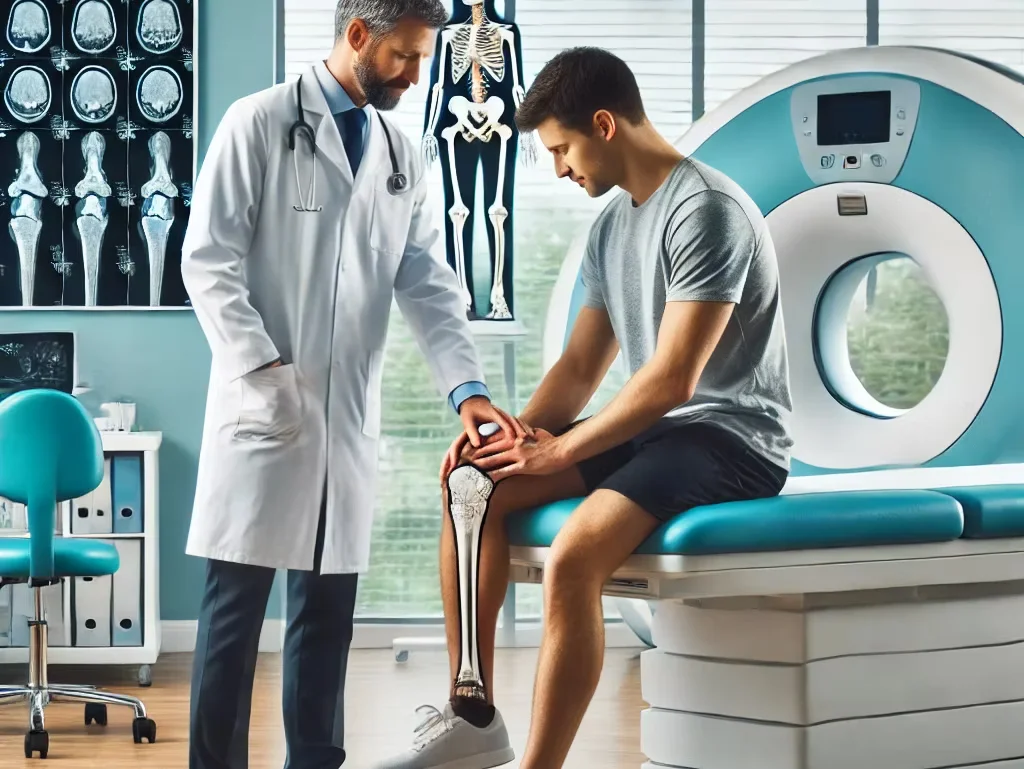
Surgery and physical injuries can significantly affect movement, strength, balance, and independence. Even when the underlying medical problem has been successfully treated, the body may require time and structured rehabilitation to return to normal function. This is where physiotherapy plays an important role.
Physiotherapy uses carefully planned exercises, movement techniques, education, and rehabilitation strategies to help patients regain physical function after surgery or injury. Depending on the condition, physiotherapy may begin soon after surgery or after the acute injury has been stabilized.
A well-planned rehabilitation program can help patients improve mobility, rebuild strength, reduce stiffness, manage pain, and gradually return to daily activities. It can also help reduce complications associated with prolonged inactivity.
At Delta Hospitals, Physiotherapy works alongside specialties including Orthopaedics, General Surgery, Neurosurgery, Emergency Medicine, Critical Care, and General Medicine. This multidisciplinary approach allows rehabilitation to be integrated into the patient’s overall treatment plan.
For patients looking for Physiotherapy in Rajahmundry, understanding how rehabilitation supports recovery can help patients make informed decisions and actively participate in their healing process.
What Is Physiotherapy?
Physiotherapy is a healthcare profession focused on improving movement, physical function, strength, balance, and mobility.
Physiotherapists assess:
- Muscle strength
- Joint movement
- Balance
- Walking ability
- Posture
- Pain
- Functional limitations
Based on the assessment, they develop an individualized rehabilitation program.
Physiotherapy may be recommended after:
- Surgery
- Fractures
- Sports injuries
- Joint replacement
- Spine conditions
- Neurological injuries
- Accidents and trauma
- Prolonged hospitalization
Why Is Physiotherapy Important After Surgery?
Surgery can temporarily affect normal movement and muscle strength. Patients may avoid moving because of pain, stiffness, fear, or medical restrictions.
Prolonged inactivity can contribute to:
- Muscle weakness
- Joint stiffness
- Reduced balance
- Loss of mobility
- Difficulty performing daily activities
Physiotherapy helps patients gradually and safely return to movement while following the surgeon’s restrictions.
Physiotherapy After Orthopaedic Surgery
Orthopaedic procedures often require structured rehabilitation.
Common surgeries followed by physiotherapy include:
- Knee replacement
- Hip replacement
- Fracture fixation
- Ligament repair
- Arthroscopy
- Spine surgery
- Shoulder surgery
The rehabilitation program depends on the procedure and individual recovery.
Physiotherapy After Knee Replacement
Knee replacement surgery can improve pain and mobility, but rehabilitation is essential for restoring function.
Physiotherapy may focus on:
- Knee movement
- Muscle strengthening
- Walking
- Balance
- Stair climbing
- Functional activities
Early and progressive exercises can help patients gradually regain independence.
The exact exercises and intensity should be determined by the treating team.
Physiotherapy After Hip Surgery
After hip surgery, patients may initially have difficulty:
- Walking
- Standing
- Sitting
- Climbing stairs
A physiotherapist can teach appropriate movement patterns and exercises.
Rehabilitation may include:
- Strengthening exercises
- Walking practice
- Balance training
- Functional activities
The program also takes into account any movement restrictions prescribed by the surgeon.
Physiotherapy After Fractures
A fracture can cause pain, swelling, stiffness, and muscle weakness. Immobilization may further reduce movement.
Once the fracture is stable and the treating doctor permits rehabilitation, physiotherapy can help restore:
- Joint mobility
- Muscle strength
- Balance
- Weight-bearing ability
- Functional movement
The rehabilitation timeline varies according to the bone involved, fracture severity, and healing progress.
Physiotherapy After Spine Surgery
Spine surgery may be performed for selected conditions involving the discs, nerves, spinal cord, or spine structure.
After surgery, rehabilitation may help improve:
- Posture
- Core strength
- Mobility
- Walking ability
- Flexibility
- Body mechanics
Patients must follow specific surgical restrictions, especially during the early healing period.
A physiotherapist works within those restrictions rather than pushing the patient beyond safe limits.
Physiotherapy After Neurosurgery
Patients recovering from certain brain or spinal conditions may develop:
- Muscle weakness
- Balance problems
- Difficulty walking
- Coordination problems
- Reduced independence
Physiotherapy can support recovery through:
- Strengthening
- Balance training
- Mobility exercises
- Walking practice
- Functional rehabilitation
At Delta Hospitals, Physiotherapy works alongside Neurosurgery and Critical Care when patients require neurological rehabilitation following complex treatment.
Physiotherapy After Accidents and Trauma
Serious accidents may result in fractures, soft-tissue injuries, neurological problems, or prolonged hospitalization.
After the acute injury has been treated, rehabilitation may focus on restoring:
- Strength
- Flexibility
- Balance
- Coordination
- Walking ability
- Daily function
Patients recovering from trauma often require a gradual rehabilitation program rather than immediate high-intensity exercise.
Managing Pain Through Physiotherapy
Pain is common after surgery and injury. Physiotherapy can contribute to pain management through appropriate movement, therapeutic exercises, and other techniques selected according to the condition.
Potential approaches may include:
- Gentle mobility exercises
- Stretching
- Strengthening
- Positioning education
- Functional movement training
The goal is not simply to eliminate pain instantly but to improve movement and function while supporting recovery.
Persistent or worsening pain should always be reported to the treating medical team.
Reducing Stiffness After Surgery
Joint stiffness is common when a body part has been immobilized or movement has been restricted.
Without appropriate rehabilitation, stiffness may interfere with:
- Walking
- Reaching
- Bending
- Dressing
- Household activities
Physiotherapy uses progressive range-of-motion exercises to help restore flexibility within medically appropriate limits.
Rebuilding Muscle Strength
Muscle weakness can develop quickly after surgery or prolonged bed rest.
Reduced muscle strength may make activities such as:
- Standing
- Walking
- Climbing stairs
- Getting out of bed
more difficult.
A physiotherapist can introduce progressive strengthening exercises based on the patient’s condition.
Exercises may begin with simple movements and gradually become more challenging as strength improves.
Improving Balance and Coordination
Injury, surgery, prolonged bed rest, and neurological conditions can affect balance.
Poor balance increases the risk of falls.
Physiotherapy may include:
- Standing balance exercises
- Walking practice
- Coordination training
- Functional movement exercises
The aim is to help patients move more safely and confidently.
Learning to Walk Again
Patients recovering from major surgery, fractures, neurological problems, or critical illness may temporarily lose normal walking ability.
Physiotherapy can progress through stages such as:
- Bed mobility
- Sitting balance
- Standing
- Supported walking
- Independent walking
- Stairs and community mobility
The pace depends on the patient’s medical condition and recovery.
Physiotherapy After Prolonged Hospitalization
Long hospital stays can cause significant deconditioning.
Patients may experience:
- Muscle loss
- Reduced endurance
- Fatigue
- Poor balance
- Difficulty completing everyday activities
Physiotherapy can begin with basic mobility and gradually progress toward independent function.
This is particularly important for patients recovering after Critical Care or prolonged illness.
Respiratory Physiotherapy
Patients recovering from major surgery or serious respiratory illness may have reduced lung function or difficulty clearing respiratory secretions.
Depending on the condition, respiratory physiotherapy may include:
- Breathing exercises
- Chest physiotherapy
- Mobilization
- Coughing techniques
These interventions are especially relevant for selected patients recovering from serious pulmonary or postoperative conditions.
At Delta Hospitals, Physiotherapy can work with Pulmonology and Critical Care when respiratory rehabilitation is clinically appropriate.
Physiotherapy and Critical Care Recovery
Critically ill patients often spend extended periods in bed and may develop significant weakness.
After stabilization, rehabilitation may begin gradually.
It can include:
- Position changes
- Sitting exercises
- Assisted standing
- Muscle strengthening
- Walking
- Functional training
Early mobilization is only undertaken when medically safe and appropriate for the patient’s condition.
Personalized Rehabilitation Plans
There is no single physiotherapy program that works for everyone.
A rehabilitation plan depends on:
- Type of surgery
- Type of injury
- Age
- Current strength
- Pain level
- Medical conditions
- Surgical restrictions
- Functional goals
For example, a knee replacement patient will have very different rehabilitation needs from a patient recovering from neurosurgery.
Personalization is therefore essential.
The Role of Patient Participation
Physiotherapy is most effective when patients actively participate in their recovery.
Patients may be asked to:
- Perform prescribed exercises
- Follow movement precautions
- Practice walking
- Maintain appropriate activity levels
- Attend follow-up sessions
Consistency matters more than trying to do too much at once.
Patients should not add exercises independently if they have not been cleared to do so.
Preventing Complications Through Rehabilitation
Appropriate mobility and rehabilitation may help reduce problems associated with prolonged inactivity.
Depending on the patient’s condition, rehabilitation can support:
- Mobility
- Muscle strength
- Functional independence
- Balance
- General physical conditioning
Medical staff determine when activity can safely begin.
Physiotherapy After Sports Injuries
Athletes may require rehabilitation after:
- Ligament injuries
- Muscle strains
- Tendon injuries
- Fractures
- Joint injuries
Rehabilitation focuses on:
- Pain control
- Flexibility
- Strength
- Coordination
- Sport-specific movement
A gradual return-to-sport plan helps reduce the risk of reinjury.
Physiotherapy and Daily Activities
The ultimate goal of rehabilitation is often functional independence.
Physiotherapy can help patients return to activities such as:
- Walking
- Bathing
- Dressing
- Cooking
- Climbing stairs
- Returning to work
- Recreational activities
Treatment is therefore focused not only on muscles and joints but on real-life function.
When Should Physiotherapy Begin?
There is no universal starting time.
Depending on the condition, physiotherapy may begin:
- During hospitalization
- Soon after surgery
- After the acute injury is stabilized
- During outpatient recovery
The treating doctor and physiotherapist determine when rehabilitation is appropriate.
Starting too early can be unsafe in some cases, while unnecessarily delaying rehabilitation can contribute to weakness and stiffness.
When Should You Stop or Modify an Exercise?
Patients should communicate with their healthcare team if they experience:
- Severe pain
- Sudden swelling
- Dizziness
- Breathlessness
- Chest discomfort
- New numbness
- Sudden weakness
These symptoms may indicate a need for medical reassessment rather than simply pushing through the exercise.
Benefits of Physiotherapy After Surgery and Injury
Depending on the condition, physiotherapy may help:
- Improve mobility
- Increase muscle strength
- Reduce stiffness
- Improve balance
- Support pain management
- Restore function
- Improve confidence with movement
- Promote independence
- Support return to daily activities
Results vary between patients and depend on the underlying condition and adherence to the rehabilitation plan.
Physiotherapy at Delta Hospitals
Delta Hospitals provides Physiotherapy services as part of a multidisciplinary healthcare system.
Physiotherapy can support patients receiving care from:
- Orthopaedics
- General Surgery
- Neurosurgery
- Emergency Medicine
- Critical Care
- General Medicine
This integrated approach allows rehabilitation to be coordinated with medical and surgical treatment.
For patients looking for Physiotherapy in Rajahmundry, access to rehabilitation alongside specialist medical care can make the recovery process more organized and comprehensive.
Why Choose Delta Hospitals for Physiotherapy and Rehabilitation?
Delta Hospitals combines Physiotherapy with supporting medical specialties and diagnostic services.
Important areas of care include:
- Orthopaedics
- Neurosurgery
- General Surgery
- Critical Care
- Emergency Medicine
- General Medicine
This multidisciplinary model can be particularly useful for patients recovering from major surgery, fractures, accidents, neurological conditions, or prolonged hospitalization.
Supporting a Better Recovery
Surgery or injury may be the event that starts a patient’s healthcare journey, but rehabilitation is often what helps restore normal function. Physiotherapy provides a structured pathway from protected movement to independent activity.
At Delta Hospitals, physiotherapy is integrated with medical and surgical care to support patients through recovery. Whether the patient is recovering from joint replacement, fracture treatment, spine surgery, neurological care, or trauma, the rehabilitation plan should be based on the individual’s diagnosis, physical condition, and medical restrictions.
Patients should follow their healthcare team’s instructions, attend recommended rehabilitation sessions, and communicate any new or worsening symptoms promptly. Recovery takes time, and trying to rush the process can be counterproductive.
Recovery Is a Process, Not a Single Procedure
Successful recovery after surgery or injury does not end when the operation is over or the acute injury has healed. Regaining strength, movement, balance, and confidence can take time.
Physiotherapy provides structured support during this process through progressive exercises, functional training, mobility work, and patient education. With appropriate medical supervision and consistent participation, rehabilitation can help patients move safely toward greater independence and a return to everyday life.
FAQs
1 . What is physiotherapy?
Physiotherapy helps restore movement, strength, balance, and physical function.
2 . Why is physiotherapy important after surgery?
It helps reduce stiffness, rebuild strength, and restore mobility.
3 . When should physiotherapy begin after surgery?
It depends on the surgery and should begin as advised by the treating doctor.
4 . Can physiotherapy help after fractures?
Yes, it can improve movement, strength, balance, and function after healing.
5 . Does physiotherapy help with joint replacement recovery?
Yes, it supports walking, joint movement, muscle strength, and daily activities.
6 . Can physiotherapy help after accidents?
Yes, it can support recovery from fractures, soft-tissue injuries, and trauma.
7 . Can physiotherapy reduce pain?
It may help manage pain through appropriate exercises and movement techniques.
8 . How long does physiotherapy take?
Recovery time varies depending on the injury, surgery, and individual progress.
9 . Does Delta Hospitals provide physiotherapy in Rajahmundry?
Yes, Delta Hospitals provides physiotherapy and rehabilitation services.
10 . Who may benefit from physiotherapy?
Patients recovering from surgery, fractures, injuries, neurological conditions, and prolonged hospitalization.