
MRI, CT Scan, Cystoscopy and Ultrasound: Key Differences and Potential Uses
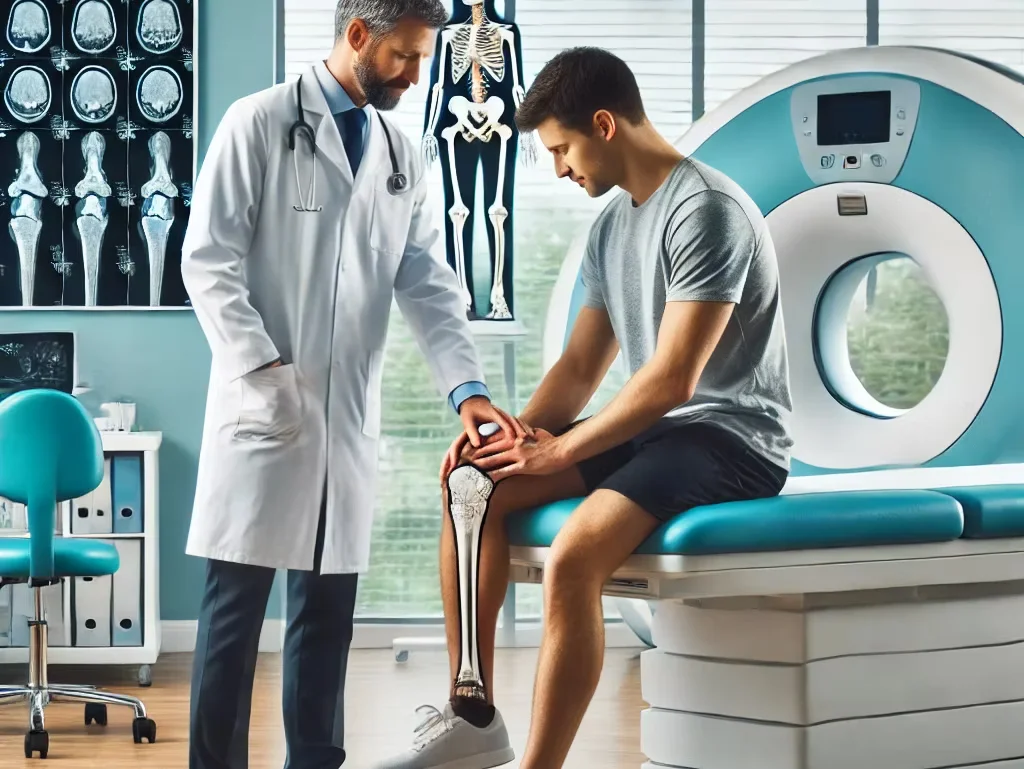
MRI, CT Scan, Cystoscopy and Ultrasound: Key Differences and Potential Uses
Modern diagnostic medicine provides doctors with a wide range of imaging and examination techniques to identify diseases, injuries, and abnormalities. MRI, CT scans, ultrasound, and cystoscopy are commonly used diagnostic tools, but each serves a different purpose and provides different types of information.
Choosing the appropriate investigation depends on the patient’s symptoms, suspected condition, medical history, and the body part being evaluated. Understanding how these tests differ can help patients better understand why a particular investigation may be recommended by their doctor.
MRI: Detailed Imaging of Soft Tissues
Magnetic Resonance Imaging (MRI) uses a strong magnetic field and radio waves to produce detailed images of organs, tissues, joints, nerves, and other structures within the body. Unlike CT scans, MRI does not use ionising radiation.
MRI is particularly useful for examining soft tissues and can help doctors evaluate conditions involving the:
- Brain and spinal cord
- Spine and intervertebral discs
- Joints, ligaments, and muscles
- Internal organs
- Blood vessels
- Certain tumours and abnormal tissue changes
MRI may require the patient to remain still inside a scanner for a period of time. In some cases, a contrast agent may be used to improve the visibility of particular structures.
CT Scan: Detailed Cross-Sectional Imaging
A Computed Tomography (CT) scan uses X-rays and computer processing to create detailed cross-sectional images of the body. These images can provide information that may not be visible on a conventional X-ray.
CT scans are commonly used to assess:
- Bone fractures and injuries
- Internal bleeding
- Chest and lung conditions
- Abdominal and pelvic problems
- Kidney stones
- Certain tumours
- Complex injuries following trauma
CT can be particularly useful when rapid imaging is required, such as in certain emergency situations. Since CT uses X-rays, the decision to perform the scan considers the potential diagnostic benefit and the patient’s circumstances.
Ultrasound: Real-Time Imaging Without Radiation
Ultrasound uses high-frequency sound waves to create images of structures inside the body. It does not use ionising radiation and is commonly used for evaluating organs and soft tissues.
Ultrasound may be used to examine:
- Abdomen and pelvis
- Liver and gallbladder
- Kidneys and urinary bladder
- Thyroid and other soft tissues
- Blood flow through vessels using Doppler ultrasound
- Pregnancy and fetal development
One of the advantages of ultrasound is that it can provide real-time images and can be performed relatively quickly. Its effectiveness can vary depending on the body area being examined and factors such as body composition and the presence of gas.
Cystoscopy: Direct Examination of the Urinary Tract
Unlike MRI, CT, and ultrasound, cystoscopy is not an imaging scan. It is a procedure that allows a urologist to directly examine the inside of the urinary bladder and urethra using a thin instrument called a cystoscope.
Cystoscopy may be recommended to investigate symptoms or conditions such as:
- Blood in the urine
- Recurrent urinary tract infections
- Difficulty or changes in urination
- Bladder abnormalities
- Suspected bladder stones
- Certain urinary tract conditions
- Evaluation of abnormal findings from other investigations
Depending on the clinical situation, cystoscopy may also allow the doctor to take a tissue sample or perform certain treatments.
Key Differences Between the Four Investigations
Investigation | How It Works | Commonly Useful For | Radiation |
MRI | Magnetic fields and radio waves | Brain, spine, joints, soft tissues, organs | No ionising radiation |
CT Scan | X-rays and computer processing | Trauma, bones, chest, abdomen, internal bleeding | Yes |
Ultrasound | High-frequency sound waves | Abdomen, pelvis, pregnancy, soft tissues, blood flow | No ionising radiation |
Cystoscopy | Direct visual examination using a cystoscope | Bladder and urethral conditions | No |
Selecting the Appropriate Diagnostic Test
- There is no single diagnostic test that is suitable for every condition. Doctors select an investigation based on the symptoms, suspected diagnosis, patient’s age and medical history, previous test results, and the information required to guide treatment.
- For example, MRI may provide more detailed information about soft tissues and the spine, while CT can be particularly useful for assessing fractures or certain acute abdominal and chest conditions. Ultrasound may be preferred for specific organs or situations where radiation-free imaging is desirable. Cystoscopy provides direct visual assessment of the bladder and urethra when a urological examination is required.
- In some situations, more than one investigation may be necessary because different tests provide complementary information.
The Importance of Clinical Interpretation
- A scan or diagnostic procedure is only one part of the diagnostic process. Test results need to be interpreted alongside the patient’s symptoms, physical examination, medical history, and other investigations.At Delta Hospitals, diagnostic investigations are selected based on the clinical requirements of each patient. The appropriate specialist may recommend imaging or diagnostic procedures to clarify the underlying condition and support treatment planning.
Conclusion
- MRI, CT scans, ultrasound, and cystoscopy each play distinct roles in modern diagnosis. While MRI, CT, and ultrasound create images using different technologies, cystoscopy provides direct visual examination of specific parts of the urinary tract.The choice of investigation should be based on the patient’s symptoms, suspected condition, medical history, and the type of information required by the treating specialist..
- According to specialists at Delta Hospitals, diagnostic tests should not be selected simply because one technology is considered more advanced than another. Each investigation has its own strengths, limitations, and specific applications.