
Robotic-Assisted Surgery, Digital Imaging & 3D Planning Strategies
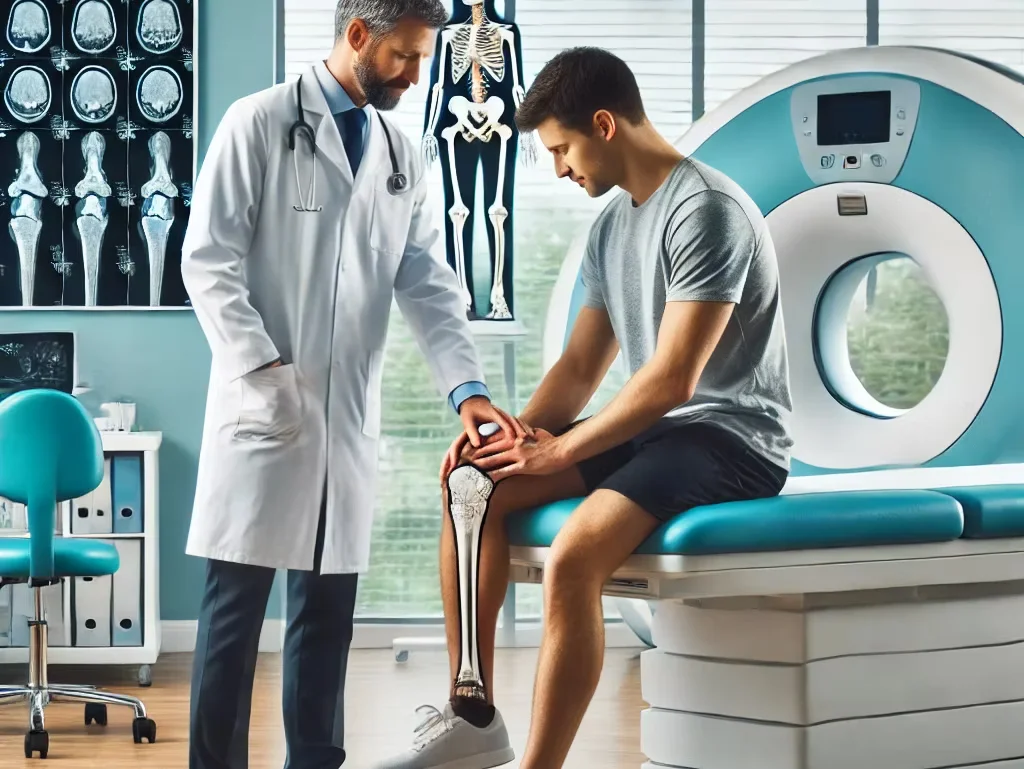
Robotic-Assisted Surgery, Digital Imaging & 3D Planning Strategies
Advances in medical technology have transformed the way many surgical procedures are planned and performed. Robotic-assisted surgery, digital imaging, and 3D planning have introduced new ways for surgeons to understand a patient’s anatomy, prepare for complex procedures, and make more precise surgical decisions.
These technologies do not replace the surgeon. Instead, they provide additional information, visualisation, and technical assistance that can support clinical judgement and surgical planning. Their use depends on the type of procedure, the patient’s condition, available technology, and the surgeon’s assessment.
Understanding Robotic-Assisted Surgery
Robotic-assisted surgery combines a surgeon’s expertise with specialised computer-controlled surgical technology. Depending on the system, the surgeon may operate from a console or directly control robotic instruments that translate their movements into precise surgical actions.
The technology can assist with:
- Precise movement of surgical instruments
- Enhanced visualisation of the operative area
- Access to difficult-to-reach anatomical regions
- Controlled surgical movements
- Following a pre-planned surgical pathway
An important distinction is that robotic-assisted surgery is surgeon-led. The robotic system does not independently diagnose a condition or decide how a procedure should be performed. The surgeon remains responsible for planning, decision-making, and performing the operation.
Digital Imaging in Modern Surgical Planning
Digital imaging has become an important part of diagnosis and preoperative planning. Technologies such as CT, MRI, ultrasound, and digital X-rays provide detailed information about the structures involved in a patient’s condition.
The images can help surgeons assess:
- Bone and soft-tissue anatomy
- The location and extent of disease
- Joint alignment
- Tumours or abnormal growths
- Blood vessels and surrounding structures
- Areas that may require particular surgical attention
High-quality digital imaging can provide the information required to develop a more individualised surgical plan.
3D Planning and Patient-Specific Surgical Strategies
- Three-dimensional planning allows information from medical imaging to be reconstructed into a digital representation of the patient’s anatomy.
- Instead of viewing anatomy only as conventional two-dimensional images, surgeons can use 3D models to better understand spatial relationships between different structures.
Depending on the procedure, 3D planning may assist with:
- Understanding complex anatomy
- Planning surgical access
- Determining implant positioning
- Assessing bone defects or deformities
- Simulating aspects of the procedure before surgery
- Developing patient-specific surgical strategies
This can be particularly valuable in procedures involving complex anatomy, previous surgeries, significant deformities, or challenging structural conditions.
Combining Imaging, 3D Planning and Robotic Assistance
- The greatest value of these technologies can come from using them as complementary tools rather than as separate technologies.
- A typical technology-supported surgical pathway may involve:
- Digital Imaging → 3D Reconstruction → Surgical Planning → Robotic Assistance → Intraoperative Assessment
- Medical imaging provides information about the patient’s anatomy. That information can then be used to develop a three-dimensional surgical plan where appropriate. During the procedure, robotic technology may help the surgeon follow the planned approach and make adjustments based on intraoperative findings.
- This combination can provide surgeons with additional information before and during surgery.
Applications Across Different Surgical Specialties
Robotic and image-guided technologies are used in different ways across medical specialties.
- Orthopaedic Surgery : In joint replacement and certain other orthopaedic procedures, digital imaging and 3D planning can help surgeons assess bone anatomy and plan implant positioning. Robotic assistance may then provide additional guidance during bone preparation and implant placement.
- General and Gastrointestinal Surgery : Robotic systems can provide enhanced visualisation and instrument control during selected minimally invasive procedures. Their use depends on the complexity and requirements of the operation.
- Urology : Robotic-assisted techniques may be used for selected urological procedures where precise dissection and access to anatomically complex areas are important.
- Neurosurgery and Spine Surgery : Advanced imaging and navigation technologies can help surgeons understand spinal or neurological anatomy and plan procedures around critical structures. The specific technologies used depend on the condition and type of surgery.
Potential Advantages of Technology-Assisted Surgery
The use of digital planning and robotic assistance can offer several potential benefits in appropriately selected procedures.
Greater Visualisation
- High-resolution digital imaging and specialised surgical cameras can provide detailed views of anatomical structures.
More Detailed Preoperative Planning
- 3D models can allow surgeons to study the patient’s anatomy before entering the operating room and anticipate technical challenges.
Patient-Specific Planning
- Digital planning can be adapted to an individual’s anatomy rather than relying entirely on standard anatomical assumptions.
Controlled Surgical Movements
- Robotic systems may assist with controlled instrument movements and help surgeons work within planned parameters.
Improved Intraoperative Information
- Certain systems can provide additional measurements or feedback during surgery, allowing the surgeon to assess the procedure as it progresses.
- However, these potential advantages do not mean that technology guarantees a complication-free procedure or a particular outcome. Results depend on the patient’s condition, procedure, surgical expertise, technology used, and postoperative care.
The Importance of the Surgeon Behind the Technology
A digital plan is created before surgery, but actual surgical conditions can sometimes differ from the preoperative images. The surgeon must therefore be able to interpret new information and modify the approach when clinically necessary.
At Delta Hospitals, the use of advanced imaging and technology-supported surgical planning can be integrated with specialist clinical assessment to determine an appropriate treatment strategy for individual patients.
Conclusion
- Their role is not to replace conventional clinical expertise but to work alongside the surgeon’s knowledge, experience, and decision-making. Ultimately, the choice to use robotic assistance, 3D planning, or advanced imaging should be based on the patient’s condition, the complexity of the procedure, and the expected clinical benefit.
- According to specialists at Delta Hospitals, robotic-assisted surgery and 3D planning should be viewed as tools that enhance surgical decision-making rather than replace it. Digital imaging helps establish a clearer understanding of the patient’s anatomy, while 3D planning can provide a more detailed framework for complex procedures. Robotic assistance may then support the surgeon during selected stages of surgery.