
What Is Interventional Radiology and How Does It Help Patients
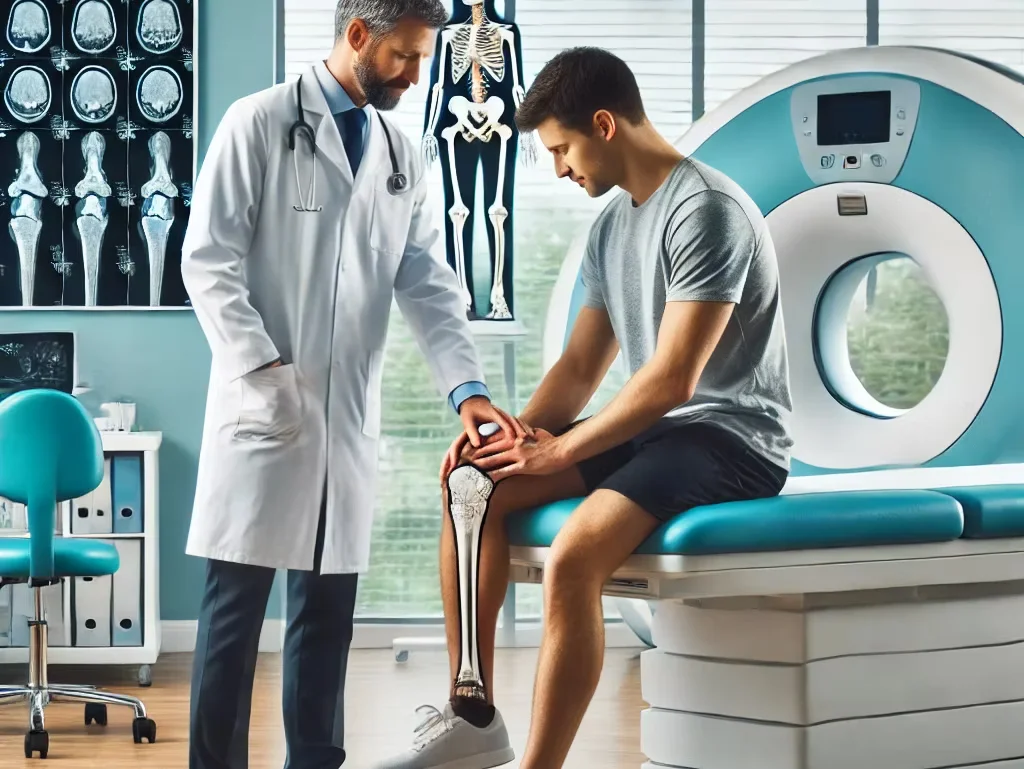
Modern medicine increasingly aims to provide effective treatment with less trauma to the body. One of the major developments supporting this approach is Interventional Radiology (IR). It combines advanced medical imaging with minimally invasive procedures to diagnose and treat a wide range of conditions without always requiring traditional open surgery.
Interventional radiologists use imaging guidance such as ultrasound, X-ray, CT, or other techniques to navigate small instruments through the body and reach a specific area for treatment. Depending on the condition, these procedures may be used to control bleeding, open blocked blood vessels, drain infections or fluid collections, treat certain tumors, manage urinary problems, or obtain tissue samples for diagnosis.
The potential benefits of interventional radiology can include smaller incisions, reduced tissue damage, shorter hospital stays, and faster recovery for appropriately selected patients. However, not every condition can or should be treated through an interventional procedure. The appropriate treatment depends on the patient’s diagnosis, health status, and clinical needs.
At Delta Hospitals, Interventional Radiology works alongside Radiology, Cardiology, Urology, Nephrology, Oncology, General Surgery, Emergency Medicine, and Critical Care to support diagnosis and minimally invasive treatment. For patients seeking Interventional Radiology in Rajahmundry, understanding this specialty can help clarify how modern image-guided procedures may fit into their treatment.
What Is Interventional Radiology?
Interventional Radiology is a specialized field of medicine that uses medical imaging to guide minimally invasive procedures.
Instead of making a large surgical incision, the doctor may use a small skin puncture to introduce:
- Needles
- Wires
- Catheters
- Small tubes
- Other specialized instruments
Imaging helps the interventional radiologist see the target area and guide the instrument accurately.
Common imaging technologies used during procedures include:
- Ultrasound
- Fluoroscopy or X-ray
- CT Scan
- Other image-guidance systems
The exact technology depends on the procedure.
How Does Interventional Radiology Work?
An image-guided procedure generally involves several steps.
1. Patient Evaluation : The medical team reviews the patient’s symptoms, medical history, imaging, medications, and relevant laboratory tests.
2. Treatment Planning : The interventional radiologist determines the safest access route and most appropriate imaging method.
3. Local Anaesthesia or Sedation : Many procedures use local anaesthesia, sometimes with sedation, depending on the procedure.
4. Small Access Point : A small puncture is made to allow a needle, catheter, or other instrument to enter the body.
5. Image Guidance : Real-time imaging helps the doctor guide the instrument to the treatment area.
6. Treatment
The procedure may involve:
- Blocking a bleeding vessel
- Opening a narrowed vessel
- Draining a collection
- Placing a stent
- Taking a biopsy
- Treating a tumor
7. Recovery and Monitoring : The patient is monitored after the procedure according to the type of treatment and overall health.
Why Is Interventional Radiology Important?
Traditional open surgery can be essential for many conditions, but it may involve larger incisions, more tissue disruption, and longer recovery.
Interventional procedures can provide a minimally invasive alternative for selected patients.
Potential benefits may include:
- Smaller incisions
- Less tissue trauma
- Reduced postoperative discomfort
- Shorter hospital stay
- Faster recovery
- Lower surgical burden in selected patients
These benefits vary by procedure and patient.
Common Interventional Radiology Procedures
1. Image-Guided Biopsy
When doctors identify a suspicious mass or lesion, a biopsy may be needed to determine whether it is cancerous or another type of abnormality.
Using CT or ultrasound guidance, an interventional radiologist can direct a needle toward the target and collect a tissue sample.
This can help diagnose conditions involving:
- Liver
- Lung
- Kidney
- Lymph nodes
- Other organs
The tissue is then examined by a pathologist.
At Delta Hospitals, Radiology and Interventional Radiology can work with Medical Oncology and Surgical Oncology when tissue diagnosis is needed during cancer evaluation.
2. Drainage of Fluid Collections and Abscesses
Infections or other conditions can cause fluid or pus to collect within the body.
Depending on the location, a doctor may use image guidance to place a small drainage catheter into the collection.
This can be used for selected:
- Abdominal abscesses
- Pelvic collections
- Fluid collections
- Other localized infections
Drainage can reduce pressure, remove infected material, and support treatment.
3. Control of Internal Bleeding
Severe bleeding can become life-threatening.
In selected cases, Interventional Radiology can help control bleeding by identifying the affected blood vessel and blocking it through a procedure called embolization.
Embolization involves placing material inside a blood vessel to reduce or stop blood flow to a targeted area.
It may be used in selected cases of:
- Trauma-related bleeding
- Gastrointestinal bleeding
- Certain tumor-related bleeding
- Other vascular emergencies
This can sometimes avoid the need for more extensive surgery.
4. Angioplasty and Stent Placement
Interventional techniques can also be used to treat certain narrowed or blocked blood vessels.
A catheter is guided through the blood vessel to the affected area.
Depending on the condition, the doctor may:
- Dilate the narrowed area
- Place a stent
- Restore blood flow
Vascular interventions may be relevant in selected patients with peripheral arterial disease and other circulation problems.
Cardiac interventions are generally performed by appropriately trained cardiology specialists, while peripheral vascular procedures may involve interventional radiology or vascular teams depending on the clinical situation.
5. Treatment of Certain Tumors
Interventional Radiology can play an important role in the management of selected cancers.
Image-guided procedures may be used to:
- Obtain biopsies
- Deliver treatment to a tumor
- Block the blood supply of a tumor
- Control bleeding
- Drain fluid collections
Some tumor-directed procedures include techniques such as tumor embolization or ablation in appropriately selected patients.
These interventions are usually part of a broader cancer treatment plan rather than a replacement for all forms of oncology care.
6. Image-Guided Tumor Ablation
In selected cancers, a doctor may use imaging to guide a probe directly into a tumor and destroy abnormal tissue using heat, cold, or another energy source.
Examples of ablation techniques include:
- Radiofrequency ablation
- Microwave ablation
- Cryoablation
Whether ablation is appropriate depends on:
- Cancer type
- Tumor size
- Tumor location
- Number of lesions
- Overall health
- Previous treatments
A multidisciplinary cancer team typically determines suitability.
7. Vascular Access Procedures
Some patients require long-term access to blood vessels for:
- Chemotherapy
- Dialysis
- Medication
- Nutritional support
Interventional techniques can help place or manage certain vascular access devices under image guidance.
This can improve procedural accuracy and reduce the need for repeated attempts.
8. Urological and Kidney-Related Procedures
Interventional Radiology can assist in selected conditions affecting the urinary system.
Examples may include image-guided drainage or placement of tubes when urine flow is obstructed.
These procedures may be considered in selected patients with:
- Urinary obstruction
- Kidney-related collections
- Certain complications of kidney disease
At Delta Hospitals, Interventional Radiology can coordinate with Urology and Nephrology when complex kidney or urinary problems require image-guided intervention.
9. Biliary Drainage
Blockage in the bile ducts can prevent normal bile flow and may lead to jaundice, infection, or other complications.
In selected cases, an interventional radiologist may place a drainage catheter through the liver into the bile ducts to restore drainage.
This can be particularly useful when other approaches are unsuitable or when urgent drainage is needed.
10. Vascular Malformation Treatment
Certain abnormal blood vessel connections or malformations may be treated using minimally invasive image-guided techniques.
Treatment can include:
- Embolization
- Sclerotherapy
- Other specialized vascular procedures
The exact approach depends on the type, location, and severity of the vascular abnormality.
Interventional Radiology in Emergency Care
One of the major advantages of Interventional Radiology is its potential role in urgent treatment.
In certain emergencies, image-guided procedures can be used rapidly to:
- Control bleeding
- Drain dangerous collections
- Restore blood flow
- Manage vascular complications
At Delta Hospitals, Interventional Radiology can work in coordination with Emergency Medicine and Critical Care when critically ill patients require urgent image-guided treatment.
Role of Interventional Radiology in Cancer Care
Cancer care increasingly involves multidisciplinary treatment.
A patient may require:
- Surgery
- Chemotherapy
- Radiation therapy
- Targeted therapy
- Immunotherapy
- Image-guided interventions
Interventional Radiology can support this pathway through:
- Biopsy
- Vascular access
- Tumor-directed procedures
- Drainage
- Bleeding control
At Delta Hospitals, Interventional Radiology works alongside Medical Oncology, Surgical Oncology, Radiation Oncology, and Radiology to support comprehensive cancer management.
Interventional Radiology vs Traditional Surgery
It is important to understand that Interventional Radiology is not a universal replacement for surgery.
Traditional surgery may still be the best option for many conditions.
Interventional Radiology May Offer:
- Small access points
- Image-guided precision
- Reduced tissue disruption
- Potentially shorter recovery for selected procedures
Traditional Surgery May Be Required For:
- Large or complex tumors
- Certain structural problems
- Conditions needing direct surgical repair
- Situations where minimally invasive treatment is not suitable
The decision should be based on the diagnosis and clinical assessment rather than simply choosing the least invasive option.
Is Interventional Radiology Safe?
Many image-guided procedures are routinely performed, but like all medical procedures, they have potential risks.
Possible complications depend on the procedure and may include:
- Bleeding
- Infection
- Vessel injury
- Organ injury
- Reaction to contrast material
- Blood clots
Before a procedure, the healthcare team reviews the expected benefits, possible risks, and alternatives.
Patients should inform the team about:
- Medication use
- Blood-thinning medicines
- Allergies
- Kidney disease
- Pregnancy
- Previous procedure complications
What Happens Before an Interventional Procedure?
Preparation depends on the procedure.
The medical team may perform:
- Physical examination
- Blood tests
- Imaging review
- Medication assessment
- Coagulation testing
- Kidney function evaluation
Some procedures require fasting or medication adjustments.
Patients should follow all pre-procedure instructions carefully.
Recovery After Interventional Radiology
Recovery depends on the procedure performed.
Many patients are monitored for a few hours after the intervention.
Recovery may involve:
- Observation of the access site
- Pain monitoring
- Checking vital signs
- Limiting strenuous activity temporarily
- Follow-up imaging or clinical review
Some procedures may require hospital admission, while others can be performed as short-stay or day procedures depending on the patient’s condition.
Who Performs Interventional Radiology Procedures?
Interventional Radiology procedures are performed by specially trained doctors with expertise in image-guided interventions.
The wider healthcare team may include:
- Interventional radiologist
- Nurses
- Anaesthesia team
- Radiology technicians
- Other specialists depending on the procedure
A multidisciplinary approach is particularly important when the patient has complex medical conditions.
Why Choose Delta Hospitals for Interventional Radiology?
Delta Hospitals provides Interventional Radiology as part of a broader diagnostic and treatment network.
The service is supported by:
- Radiology
- Cardiology
- Urology
- Nephrology
- Medical Oncology
- Surgical Oncology
- Radiation Oncology
- Emergency Medicine
- Critical Care
- General Surgery
This allows patients to benefit from specialist collaboration when a condition requires more than one area of expertise.
For patients looking for Interventional Radiology in Rajahmundry, access to advanced imaging and supporting specialties can be an important part of comprehensive healthcare.
How Interventional Radiology Helps Patients
The biggest value of Interventional Radiology is its ability to combine precise imaging with targeted treatment.
For suitable patients, it can:
- Provide a tissue diagnosis
- Drain infections
- Control internal bleeding
- Open blocked blood vessels
- Treat selected tumors
- Manage urinary or biliary obstruction
- Support cancer treatment
- Reduce the need for more invasive procedures in selected cases
The exact benefit depends entirely on the patient’s condition.
When Might Your Doctor Recommend Interventional Radiology?
A doctor may consider an interventional procedure when:
- A lesion needs image-guided biopsy
- A fluid collection needs drainage
- Internal bleeding needs control
- A blood vessel needs treatment
- A tumor is suitable for image-guided intervention
- A urinary or biliary obstruction needs drainage
- Traditional surgery carries substantial risk or is not the best approach
The final decision is made after reviewing the patient’s diagnosis, imaging, medical history, and overall health.
Advanced Image-Guided Care at Delta Hospitals
Interventional Radiology represents the shift toward more precise and minimally invasive healthcare. By combining advanced imaging with specialized procedures, doctors can reach specific areas of the body and provide targeted diagnosis or treatment through small access points.
At Delta Hospitals, Interventional Radiology is integrated with Radiology, Cardiology, Urology, Nephrology, Oncology, Emergency Medicine, Critical Care, and General Surgery. This multidisciplinary setup supports coordinated care for patients requiring advanced diagnostic and therapeutic procedures.
Moving Toward Less Invasive Treatment
Interventional Radiology has become an important part of modern medicine because it can provide targeted treatment while potentially reducing the physical burden associated with some traditional procedures. It can be especially valuable in emergency care, cancer management, vascular treatment, drainage procedures, and image-guided diagnosis.
However, minimally invasive does not automatically mean better for every patient. The best treatment is the one that is medically appropriate for the individual’s condition.
If your doctor recommends an interventional procedure, ask what it is intended to achieve, why it is appropriate, what alternatives are available, and what recovery will involve. With accurate diagnosis, careful planning, and specialist expertise, image-guided interventions can play an important role in improving patient care and treatment outcomes.
FAQs
1 . What is Interventional Radiology?
It uses advanced imaging to guide minimally invasive diagnosis and treatment.
2 . What procedures are performed in Interventional Radiology?
Biopsies, drainage procedures, embolization, vascular treatments, and selected tumor procedures.
3 . Is Interventional Radiology minimally invasive?
Yes, many procedures use small skin punctures instead of large surgical incisions.
4 . What imaging techniques are used?
Ultrasound, X-Ray, CT Scan, and other image-guidance technologies.
5 . Can Interventional Radiology treat cancer?
Yes, selected patients may benefit from biopsy, tumor ablation, embolization, or other image-guided treatments.
6 . Can it help control internal bleeding?
Yes, embolization can control bleeding in selected emergency situations.
7 . Is Interventional Radiology safe?
Most procedures are carefully planned, but risks vary depending on the procedure and patient.
8 . How long is recovery after an Interventional Radiology procedure?
Recovery varies, but many procedures involve less downtime than traditional surgery.
9 . Does Delta Hospitals provide Interventional Radiology in Rajahmundry?
Yes, Delta Hospitals provides Interventional Radiology supported by Radiology and multiple specialist departments.
10 . Why choose Delta Hospitals for Interventional Radiology?
It offers advanced imaging, experienced specialists, emergency support, and multidisciplinary care.