
When Is Joint Replacement Surgery Necessary? Signs, Benefits, and Recovery
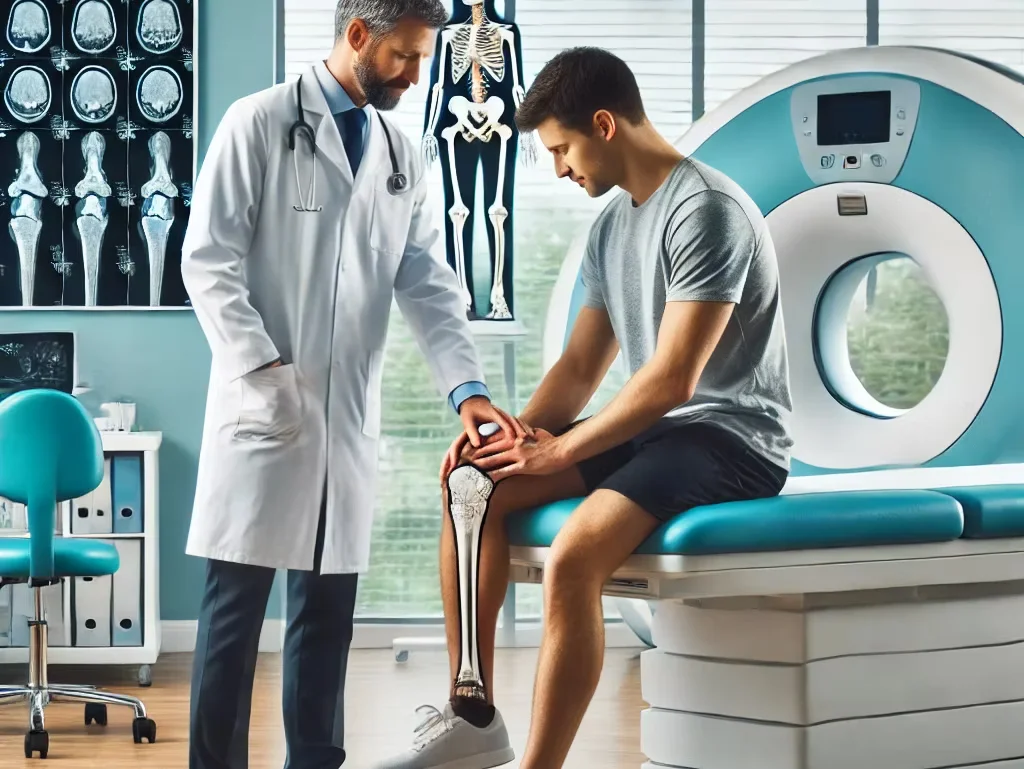
The musculoskeletal system plays a vital role in maintaining movement, balance, strength, and overall quality of life. Bones, joints, muscles, ligaments, tendons, and nerves work together to help individuals perform daily activities comfortably and efficiently. When injuries, degenerative diseases, congenital abnormalities, or age-related conditions affect this system, specialized orthopaedic care becomes essential for restoring function and improving mobility.
Delta Hospitals is recognized as a leading destination for comprehensive orthopaedic care, offering advanced diagnosis, treatment, surgery, rehabilitation, and long-term management of bone and joint disorders. Supported by experienced surgeons, modern operation theaters, advanced imaging technology, and rehabilitation specialists, our Orthopaedics Department provides world-class treatment for patients of all age groups.
Patients searching for the Best Orthopaedic Doctor in Rajahmundry often seek treatment that combines medical expertise, advanced surgical technology, and personalized care. At Delta Hospitals, our commitment is to help patients regain mobility, reduce pain, and return to active, healthy lives.
Understanding Orthopaedics
Orthopaedics is a specialized branch of medicine focused on diagnosing, treating, preventing, and rehabilitating disorders affecting the musculoskeletal system. Orthopaedic specialists manage a wide range of conditions involving bones, joints, muscles, tendons, ligaments, and nerves.
Modern orthopaedic care has evolved significantly through advances in diagnostic imaging, minimally invasive surgical techniques, computer-assisted surgery, joint replacement procedures, and rehabilitation programs. These advancements have improved patient outcomes while reducing recovery times and postoperative discomfort.
An experienced Orthopaedic Specialist Rajahmundry plays an important role in helping patients maintain mobility, prevent disability, and achieve long-term musculoskeletal health.
Why Choose Delta Hospitals for Orthopaedic Care?
Experienced Orthopaedic Specialists : Our department is supported by highly trained orthopaedic surgeons with expertise in trauma care, joint replacement surgery, sports injuries, spine disorders, and complex musculoskeletal conditions.
Advanced Diagnostic Facilities : Accurate diagnosis is essential for successful treatment. We utilize modern imaging and laboratory facilities to evaluate orthopaedic conditions comprehensively.
Comprehensive Treatment Approach : From conservative management to advanced surgical procedures, patients receive complete care under one roof.
Modern Surgical Technology : Advanced operation theaters and precision surgical equipment support safe and effective treatment.
Rehabilitation Services : Comprehensive rehabilitation programs help patients recover faster and regain optimal function after injury or surgery.
Conditions Treated by the Orthopaedics Department
The Orthopaedics Department at Delta Hospitals provides comprehensive diagnosis, treatment, surgical care, and rehabilitation for a wide range of musculoskeletal disorders affecting bones, joints, muscles, ligaments, tendons, and the spine. Our specialists focus on restoring mobility, relieving pain, improving function, and helping patients return to their normal daily activities with confidence.
Osteoarthritis
Osteoarthritis is one of the most common joint disorders, particularly among older adults. It develops when the protective cartilage that cushions the ends of bones gradually wears away, causing bones to rub against each other during movement.
Common symptoms include:
- Joint pain
- Stiffness
- Swelling
- Reduced movement
- Difficulty walking
The condition commonly affects the knees, hips, shoulders, and hands. Patients may also experience joint deformity, grinding sensations, and worsening pain after physical activity. Early diagnosis and treatment help slow disease progression, reduce discomfort, and improve quality of life through medications, physiotherapy, lifestyle modifications, and surgical intervention when necessary.
Rheumatoid Arthritis
Rheumatoid arthritis is a chronic autoimmune disorder in which the body’s immune system mistakenly attacks healthy joint tissues, causing inflammation and progressive joint damage.
Symptoms may include:
- Joint swelling
- Morning stiffness
- Fatigue
- Pain
- Reduced mobility
Over time, untreated rheumatoid arthritis can lead to joint deformities and loss of function. Early diagnosis and comprehensive treatment help control inflammation, minimize joint damage, preserve mobility, and improve overall quality of life.
Knee Disorders
The knee is one of the most heavily used joints in the body and is highly susceptible to injuries, wear and tear, and degenerative conditions. Knee problems can significantly affect walking, climbing stairs, sports participation, and daily activities.
Common knee problems include:
- Ligament injuries
- Meniscus tears
- Arthritis
- Cartilage damage
- Knee instability
Patients may experience pain, swelling, stiffness, locking, or difficulty bearing weight. Treatment options range from physiotherapy and injections to advanced surgical procedures. Patients requiring advanced treatment often consult a skilled Knee Replacement Surgeon Rajahmundry when conservative therapies no longer provide adequate relief.
Hip Disorders
Hip problems can significantly affect mobility, independence, and overall quality of life. The hip joint bears much of the body’s weight and is vulnerable to injury and degeneration.
Common conditions include:
- Hip arthritis
- Hip fractures
- Labral tears
- Hip impingement
- Degenerative joint disease
Symptoms may include groin pain, stiffness, limping, difficulty walking, and reduced range of motion. Treatment may range from medications and physiotherapy to advanced joint replacement surgery for severe cases.
Shoulder Disorders
The shoulder is one of the most mobile joints in the body, making it susceptible to injuries and degenerative conditions. Shoulder disorders can interfere with daily activities such as lifting, dressing, driving, and reaching overhead.
Common disorders include:
- Rotator cuff injuries
- Frozen shoulder
- Shoulder instability
- Arthritis
- Tendon injuries
Patients may experience pain, weakness, stiffness, and restricted movement. Early diagnosis and appropriate treatment often help prevent long-term complications and restore normal shoulder function.
Fractures and Trauma
Bone fractures may result from accidents, falls, sports injuries, workplace incidents, or trauma. Fractures can vary from simple cracks to complex injuries involving multiple bone fragments.
Common fractures involve:
- Wrist
- Ankle
- Hip
- Femur
- Clavicle
Symptoms often include severe pain, swelling, deformity, bruising, and inability to move the affected limb. Prompt treatment is essential to ensure proper healing, restore alignment, and prevent long-term complications such as deformity or loss of function.
Sports Injuries
Athletes and physically active individuals are at increased risk of musculoskeletal injuries due to repetitive stress, sudden movements, and high-impact activities.
Common sports injuries include:
- Ligament tears
- Tendon injuries
- Muscle strains
- Meniscal injuries
- Stress fractures
Sports injuries can affect performance and daily functioning if not treated appropriately. Specialized evaluation, rehabilitation, and injury-specific treatment programs help athletes recover safely and return to their activities with confidence.
Spine Disorders
The spine provides structural support, enables movement, and protects the spinal cord. Disorders affecting the spine can cause significant pain and neurological symptoms that interfere with daily life.
Common spine conditions include:
- Disc prolapse
- Sciatica
- Spinal stenosis
- Degenerative disc disease
- Cervical spondylosis
Symptoms may include back pain, neck pain, numbness, tingling, weakness, and difficulty walking. Appropriate treatment helps relieve pain, improve mobility, protect nerve function, and enhance quality of life.
Osteoporosis
Osteoporosis is a condition that weakens bones, making them fragile and more prone to fractures. The disease often progresses silently until a fracture occurs.
Risk factors include:
- Aging
- Hormonal changes
- Poor nutrition
- Family history
Additional risk factors include smoking, lack of physical activity, and vitamin D deficiency. Early diagnosis through bone density testing and appropriate treatment help maintain bone strength, reduce fracture risk, and support long-term skeletal health.
Joint Injuries and Ligament Tears
Joint injuries commonly occur due to sports activities, accidents, or sudden twisting movements. Ligaments provide stability to joints, and damage to these structures can significantly affect movement.
Common injuries include:
- ACL tears
- PCL injuries
- MCL injuries
- Ankle ligament injuries
- Shoulder ligament injuries
Patients often experience swelling, instability, pain, and difficulty performing routine activities. Early intervention helps restore joint stability and prevent further damage.
Advanced Orthopaedic Diagnostics
Accurate diagnosis forms the foundation of effective orthopaedic care. At Delta Hospitals, advanced diagnostic technologies combined with expert clinical evaluation help identify musculoskeletal disorders at an early stage and guide the most appropriate treatment plan. A precise diagnosis allows specialists to understand the severity of the condition, determine the underlying cause of symptoms, and develop personalized treatment strategies for optimal recovery.
Clinical Examination
The diagnostic process begins with a detailed clinical assessment performed by an experienced orthopaedic specialist. During the evaluation, the doctor reviews the patient’s medical history, symptoms, lifestyle factors, previous injuries, and overall health status.
The examination helps assess:
- Pain location and severity
- Joint mobility and flexibility
- Muscle strength
- Limb alignment
- Balance and gait
- Joint stability
- Functional limitations
A thorough clinical examination provides valuable insights into the patient’s condition and helps determine the need for further investigations.
Digital X-Ray
Digital X-rays are among the most commonly used imaging tools in orthopaedics. They provide clear and detailed images of bones, joints, and skeletal structures, helping specialists diagnose a variety of musculoskeletal conditions.
X-rays help diagnose:
- Fractures
- Arthritis
- Bone deformities
- Joint degeneration
They are also useful for evaluating bone alignment, monitoring fracture healing, detecting bone infections, and assessing the progression of degenerative joint diseases. Digital imaging offers quick results with enhanced image quality, enabling accurate diagnosis and treatment planning.
MRI Scan
Magnetic Resonance Imaging (MRI) provides highly detailed images of soft tissues, joints, muscles, ligaments, tendons, cartilage, and nerves. Unlike X-rays, MRI can visualize structures that are not visible on routine skeletal imaging.
MRI helps evaluate:
- Ligament injuries
- Tendon tears
- Cartilage damage
- Disc disorders
It is particularly valuable for diagnosing sports injuries, knee ligament tears, meniscal injuries, spinal disorders, shoulder injuries, and complex joint problems. MRI assists specialists in identifying the exact extent of damage and planning appropriate treatment.
CT Scan
Computed Tomography (CT) scanning produces detailed cross-sectional images of bones and surrounding structures. CT imaging is particularly useful when standard X-rays do not provide sufficient information.
It helps evaluate:
- Complex fractures
- Joint injuries
- Bone tumors
- Skeletal deformities
CT scans are frequently used for surgical planning because they provide precise anatomical detail, allowing surgeons to plan procedures with greater accuracy and safety.
Bone Density Testing
Bone density studies help diagnose osteoporosis and evaluate bone strength. The test measures mineral content within bones and determines the risk of future fractures.
Bone density testing is particularly recommended for:
- Older adults
- Postmenopausal women
- Patients with fracture history
- Individuals with osteoporosis risk factors
Early identification allows timely treatment, lifestyle modifications, nutritional support, and preventive strategies that help maintain bone health and reduce fracture risk.
Joint Replacement Services
Joint replacement surgery has transformed the lives of millions of patients suffering from severe arthritis, chronic joint pain, and advanced joint degeneration. When conservative treatments such as medications, physiotherapy, and injections fail to provide relief, joint replacement surgery may offer a long-term solution.
As a leading Joint Replacement Hospital Rajahmundry, Delta Hospitals offers advanced joint replacement procedures using modern implants, precision surgical techniques, and comprehensive rehabilitation programs. Our goal is to relieve pain, restore mobility, and improve overall quality of life.
Knee Replacement Surgery
Knee arthritis is one of the most common causes of disability among adults. Progressive cartilage loss can result in severe pain, stiffness, and difficulty performing daily activities.
Symptoms often include:
- Chronic knee pain
- Joint stiffness
- Difficulty walking
- Reduced activity levels
Patients may also experience swelling, joint deformity, difficulty climbing stairs, and disturbed sleep due to persistent pain.
An experienced Knee Replacement Surgeon Rajahmundry can help restore joint function through advanced knee replacement procedures. During surgery, damaged joint surfaces are replaced with artificial implants designed to mimic natural knee movement.
Benefits include:
- Significant pain relief
- Improved mobility
- Better quality of life
- Enhanced independence
Most patients experience substantial improvement in walking ability, daily functioning, and overall comfort following recovery and rehabilitation.
Hip Replacement Surgery
Hip replacement surgery is recommended when severe arthritis, injury, or joint degeneration causes persistent pain and functional limitations. Hip disorders can significantly affect mobility and make routine activities such as walking, sitting, and climbing stairs difficult.
Common reasons for hip replacement include:
- Osteoarthritis
- Rheumatoid arthritis
- Hip fractures
- Avascular necrosis
- Degenerative joint disease
The procedure involves replacing damaged portions of the hip joint with artificial implants specifically designed to restore movement, stability, and comfort.
Benefits of hip replacement include:
- Reduced pain
- Improved walking ability
- Better joint mobility
- Enhanced quality of life
- Increased independence
Modern surgical techniques and advanced implants contribute to excellent long-term outcomes and patient satisfaction.
Shoulder Replacement Surgery
Shoulder replacement may be recommended for patients experiencing severe shoulder arthritis, complex fractures, rotator cuff arthropathy, or advanced joint degeneration that does not respond to conservative treatment.
Symptoms may include:
- Persistent shoulder pain
- Stiffness
- Weakness
- Difficulty lifting the arm
- Limited range of motion
During the procedure, damaged shoulder joint surfaces are replaced with artificial components designed to restore smooth movement and improve function.
Benefits include:
- Pain relief
- Improved shoulder mobility
- Better arm function
- Enhanced daily activity performance
- Improved overall quality of life
With proper rehabilitation and physiotherapy, many patients regain significant shoulder function and return to normal activities.
Trauma & Fracture Care
Orthopaedic trauma requires immediate attention and specialized management.
Our trauma services include:
- Emergency fracture care
- Internal fixation procedures
- Complex fracture reconstruction
- Post-trauma rehabilitation
Prompt treatment helps prevent complications and supports optimal recovery.
Arthroscopic Surgery
Arthroscopy is a minimally invasive procedure used to diagnose and treat joint disorders.
Common arthroscopic procedures include:
- Knee arthroscopy
- Shoulder arthroscopy
- Ligament reconstruction
- Meniscus repair
Benefits include:
- Smaller incisions
- Less pain
- Faster recovery
- Reduced hospital stay
Sports Medicine Services
Athletes require specialized care to recover safely and return to peak performance.
Services include:
- Injury evaluation
- Rehabilitation programs
- Ligament reconstruction
- Performance optimization
- Injury prevention strategies
Individualized treatment plans help athletes recover effectively.
Rehabilitation & Physiotherapy
Successful orthopaedic treatment extends beyond surgery.
Comprehensive rehabilitation includes:
- Strength training
- Mobility exercises
- Pain management
- Gait training
- Functional rehabilitation
These programs help patients regain independence and improve long-term outcomes.
Preventive Orthopaedic Care
Preventing musculoskeletal disorders is an important aspect of long-term health.
Recommendations include:
- Regular exercise
- Healthy body weight
- Proper posture
- Adequate calcium intake
- Vitamin D supplementation
- Fall prevention strategies
Early intervention helps reduce the risk of future complications.
Our Expert Orthopaedic Team
Delta Hospitals is supported by experienced orthopaedic surgeons, rehabilitation specialists, physiotherapists, radiologists, anesthesiologists, and nursing professionals.
Patients seeking consultation with a Bone Specialist Doctor Rajahmundry receive personalized care based on their specific condition, lifestyle, and treatment goals.
Our multidisciplinary approach ensures comprehensive management from diagnosis through recovery.
Advanced Orthopaedic Care You Can Trust
Delta Hospitals continues to strengthen its reputation as the leading destination for orthopaedic care by combining advanced technology, experienced specialists, and patient-centered treatment. Whether you require consultation with the Best Orthopaedic Doctor in Rajahmundry, advanced joint replacement surgery at a trusted Joint Replacement Hospital Rajahmundry, treatment from an experienced Knee Replacement Surgeon Rajahmundry, or evaluation by a skilled Bone Specialist Doctor Rajahmundry, our team is dedicated to helping you achieve the best possible outcomes.
As a trusted Orthopaedic Specialist Rajahmundry center, Delta Hospitals remains committed to restoring mobility, reducing pain, improving function, and helping patients lead active, healthy, and independent lives.
FAQs
1. When should I consult an orthopaedic specialist?
You should consult an orthopaedic specialist if you experience persistent joint pain, back pain, fractures, swelling, stiffness, or difficulty in movement.
2. What conditions are treated by the Orthopaedics Department?
Orthopaedic specialists treat arthritis, fractures, sports injuries, spine disorders, joint problems, osteoporosis, and musculoskeletal injuries.
3. What are the symptoms of knee arthritis?
Common symptoms include knee pain, stiffness, swelling, reduced mobility, and difficulty walking or climbing stairs.
4. When is knee replacement surgery recommended?
Knee replacement may be recommended when severe arthritis causes chronic pain and mobility limitations that do not improve with medications or physiotherapy.
5. How long does recovery take after joint replacement surgery?
Most patients begin walking within a few days, while complete recovery may take several weeks to a few months depending on the procedure and rehabilitation.
6. What is the benefit of MRI in orthopaedics?
MRI provides detailed images of ligaments, tendons, cartilage, muscles, and joints, helping diagnose injuries and soft tissue disorders accurately.
7. Can fractures heal without surgery?
Many fractures can heal with casting or splinting, while complex or displaced fractures may require surgical fixation.
8. What is osteoporosis?
Osteoporosis is a condition that weakens bones and increases the risk of fractures, particularly in older adults.
9. What are the advantages of joint replacement surgery?
Joint replacement surgery helps relieve pain, improve mobility, restore function, and enhance overall quality of life.
10. Why choose Delta Hospitals for orthopaedic care?
Delta Hospitals offers experienced orthopaedic specialists, advanced diagnostics, modern surgical technology, comprehensive rehabilitation, and personalized treatment for a wide range of bone and joint conditions.