
When Should You Consult an Orthopaedic Specialist
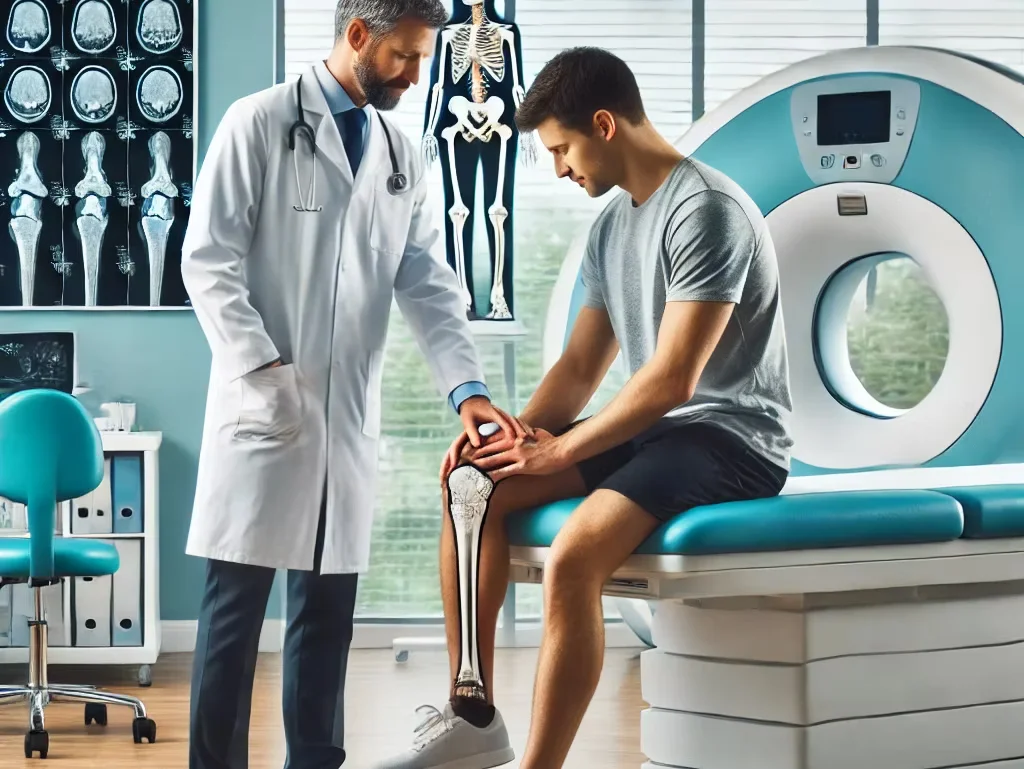
Your bones, joints, muscles, ligaments, tendons, and spine work together to support movement and everyday activities. When any of these structures become injured, inflamed, worn down, or damaged, even simple tasks such as walking, climbing stairs, lifting objects, or sitting comfortably can become difficult.
Many people ignore musculoskeletal symptoms until the pain becomes severe. That is not always a smart strategy. Early orthopaedic evaluation can help identify the cause of pain, prevent an injury from worsening, and determine whether treatment requires medication, physiotherapy, injections, lifestyle changes, or surgery.
An orthopaedic specialist diagnoses and treats conditions affecting the musculoskeletal system. Orthopaedics covers a wide range of problems, from fractures and sports injuries to arthritis, joint disorders, spine conditions, and osteoporosis.
At Delta Hospitals, Orthopaedics is supported by Radiology, General Medicine, Emergency Medicine, Critical Care, General Surgery, and Physiotherapy, allowing patients to receive coordinated care when conditions are complex or require surgical and rehabilitation support.
For patients looking for orthopaedic care in Rajahmundry, knowing when to consult a specialist can help protect mobility, reduce pain, and improve long-term quality of life.
What Does an Orthopaedic Specialist Treat?
Orthopaedic specialists treat problems involving:
- Bones
- Joints
- Muscles
- Ligaments
- Tendons
- Cartilage
- Spine
- Sports-related injuries
Common conditions include:
- Arthritis
- Fractures
- Back pain
- Neck pain
- Joint pain
- Sports injuries
- Ligament injuries
- Osteoporosis
- Disc problems
- Joint degeneration
Treatment depends on the patient’s age, symptoms, diagnosis, activity level, and overall health.
1. Persistent Joint Pain
Occasional discomfort after unusual physical activity may improve with rest. Persistent joint pain is different.
You should consider an orthopaedic consultation if pain:
- Continues for several weeks
- Keeps returning
- Interferes with walking or daily activities
- Becomes worse over time
- Causes stiffness or reduced movement
Commonly affected joints include:
- Knee
- Hip
- Shoulder
- Ankle
- Elbow
- Wrist
Persistent pain may be caused by arthritis, injury, inflammation, cartilage damage, or other musculoskeletal conditions.
2. Arthritis Symptoms
Arthritis involves inflammation or degeneration of one or more joints.
Common symptoms include:
- Joint pain
- Stiffness
- Swelling
- Reduced range of motion
- Difficulty walking
- Pain after prolonged activity
Osteoarthritis is particularly common with increasing age and may affect the knees, hips, spine, hands, or other joints.
An orthopaedic specialist can assess the severity and discuss treatment options such as:
- Exercise
- Physiotherapy
- Weight management
- Medicines
- Injections when appropriate
- Surgery for advanced disease
3. Pain After an Injury
Falls, sports injuries, road accidents, and workplace incidents can damage bones and soft tissues.
You should seek orthopaedic evaluation after an injury if you experience:
- Persistent pain
- Swelling
- Bruising
- Difficulty moving a joint
- Difficulty putting weight on a limb
- Visible deformity
Some fractures or ligament injuries may not be obvious immediately. Imaging may be needed to determine the extent of the injury.
At Delta Hospitals, Radiology services support orthopaedic diagnosis using appropriate imaging such as X-Ray, CT Scan, and MRI.
4. Suspected Fractures
A fracture occurs when a bone breaks or cracks.
Possible signs include:
- Sudden severe pain
- Swelling
- Bruising
- Inability to move the affected area
- Difficulty bearing weight
- Abnormal positioning of a limb
A suspected fracture should be medically evaluated promptly.
Some fractures can be treated with immobilization, while others may require surgery to restore proper alignment and stability.
5. Back Pain That Does Not Improve
Back pain is extremely common, and many cases improve with conservative treatment. However, persistent or severe pain warrants evaluation.
Consult an orthopaedic specialist if back pain:
- Persists for several weeks
- Interferes with sleep
- Limits daily activities
- Radiates down the leg
- Is associated with numbness or weakness
Possible causes include:
- Muscle strain
- Disc problems
- Spinal degeneration
- Spinal stenosis
- Nerve compression
An orthopaedic or spine specialist can determine whether imaging or further treatment is required.
6. Neck Pain and Stiffness
Neck pain can result from:
- Poor posture
- Muscle strain
- Disc problems
- Arthritis
- Nerve compression
- Injury
If neck pain persists or is accompanied by:
- Arm numbness
- Tingling
- Weakness
- Severe headache
- Loss of coordination
medical evaluation is important.
7. Sports Injuries
Athletes and physically active individuals are at risk of:
- Ligament injuries
- Muscle strains
- Tendon injuries
- Joint dislocations
- Fractures
- Meniscus injuries
Common sports-related conditions include ACL injuries, rotator cuff injuries, ankle sprains, and tennis elbow.
Early assessment can help determine whether rest and rehabilitation are enough or whether additional treatment is needed.
At Delta Hospitals, orthopaedic care can be supported by physiotherapy and rehabilitation services to help patients return safely to activity.
8. Restricted Joint Movement
Limited movement can develop due to:
- Arthritis
- Injury
- Joint inflammation
- Scar tissue
- Tendon problems
- Muscle weakness
Examples include difficulty:
- Raising your arm
- Bending the knee
- Rotating the shoulder
- Climbing stairs
- Squatting
Persistent loss of mobility should be assessed rather than accepted as normal ageing.
9. Joint Swelling
Swelling may indicate inflammation, injury, infection, fluid accumulation, or internal joint damage.
Seek medical attention when swelling is:
- Persistent
- Painful
- Associated with warmth or redness
- Accompanied by reduced movement
Sudden severe swelling after an injury should be evaluated promptly.
10. Joint Instability or Giving Way
Some patients feel that their knee, ankle, shoulder, or another joint is unstable.
For example, the knee may:
- Suddenly buckle
- Give way while walking
- Feel unstable while climbing stairs
Joint instability may result from ligament injuries, muscle weakness, cartilage damage, or chronic joint disease.
An orthopaedic assessment can identify the cause and determine whether physiotherapy, bracing, medication, or surgery is needed.
11. Shoulder Pain and Stiffness
Shoulder problems are common and may develop because of:
- Rotator cuff injuries
- Tendinitis
- Frozen shoulder
- Arthritis
- Dislocation
You should consider an orthopaedic consultation if shoulder pain:
- Persists for several weeks
- Interferes with sleep
- Limits arm movement
- Occurs after an injury
Early treatment may help prevent further loss of movement.
12. Knee Pain
Knee pain can result from:
- Arthritis
- Meniscus injury
- Ligament damage
- Sports injuries
- Overuse
- Cartilage degeneration
Knee pain that repeatedly interferes with walking, exercise, or daily activities deserves professional assessment.
Advanced arthritis may eventually require joint replacement surgery in selected patients.
13. Hip Pain
Hip problems can significantly affect mobility.
Symptoms may include:
- Groin pain
- Hip stiffness
- Difficulty walking
- Pain while climbing stairs
- Difficulty standing after sitting
Hip arthritis and other structural problems can sometimes progress gradually. Early management may help maintain function and delay complications.
14. Numbness or Tingling
Numbness, tingling, or weakness can sometimes indicate nerve compression.
These symptoms may occur because of:
- Disc problems
- Spinal stenosis
- Nerve entrapment
- Certain injuries
Persistent neurological symptoms should be evaluated, particularly if they are worsening.
15. Osteoporosis and Bone Weakness
Osteoporosis causes bones to become weaker and more vulnerable to fractures.
People at higher risk include:
- Older adults
- Postmenopausal women
- Individuals with certain medical conditions
- People taking certain long-term medicines
An orthopaedic specialist may recommend bone density testing and strategies to reduce fracture risk.
When Is Orthopaedic Care an Emergency?
Some musculoskeletal problems require immediate medical attention.
Seek urgent care for:
- Suspected major fracture
- Severe trauma
- Visible deformity
- Sudden inability to move a limb
- Severe joint injury
- Sudden weakness or loss of sensation after an accident
- Severe back pain with bladder or bowel changes
Major trauma may require coordinated care involving Emergency Medicine, Orthopaedics, Radiology, and Critical Care.
At Delta Hospitals, these services can work together during serious emergencies.
How Are Orthopaedic Problems Diagnosed?
Diagnosis begins with a detailed history and physical examination.
Depending on the condition, doctors may recommend:
X-Ray
Useful for:
- Fractures
- Arthritis
- Bone alignment
MRI
Provides detailed information about:
- Ligaments
- Tendons
- Cartilage
- Discs
- Muscles
CT Scan
Useful for:
- Complex fractures
- Detailed bone evaluation
- Certain spinal and joint conditions
Blood Tests
- May be required when inflammation, infection, or certain metabolic disorders are suspected.
- At Delta Hospitals, Radiology services support accurate orthopaedic diagnosis and treatment planning.
Treatment Options in Orthopaedics
Not every orthopaedic problem requires surgery.
Treatment may include:
Medication : Pain relievers or other medicines may be prescribed depending on the condition.
Physiotherapy
Physiotherapy can help improve:
- Strength
- Flexibility
- Balance
- Mobility
- Recovery after injury or surgery
Lifestyle Changes : Weight management, activity modification, and ergonomic improvements can reduce musculoskeletal strain.
Injections : Selected patients may benefit from certain joint injections based on the diagnosis.
Surgery
Surgery may be considered for:
- Severe fractures
- Advanced joint degeneration
- Significant ligament injuries
- Persistent nerve compression
- Conditions that do not improve with conservative care
When Is Joint Replacement Recommended?
Joint replacement may be considered when severe arthritis or joint damage causes:
- Persistent pain
- Significant stiffness
- Difficulty walking
- Major limitations in daily activities
- Insufficient improvement with non-surgical treatment
Common joint replacement procedures include:
- Knee replacement
- Hip replacement
- Shoulder replacement
The decision depends on symptoms, imaging findings, overall health, and the patient’s functional needs.
Benefits of Early Orthopaedic Consultation
Seeing a specialist early can help:
- Identify the cause of pain
- Prevent worsening injury
- Begin appropriate treatment
- Improve mobility
- Reduce unnecessary delays
- Support faster recovery
Early treatment does not necessarily mean surgery. In many cases, the goal is to manage the condition conservatively and preserve normal function.
Physiotherapy and Rehabilitation
Orthopaedic treatment often continues after the initial diagnosis.
Physiotherapy can be especially important after:
- Fracture treatment
- Joint replacement
- Sports injuries
- Spine conditions
- Surgery
Rehabilitation may include:
- Strengthening exercises
- Range-of-motion exercises
- Balance training
- Gait training
- Functional exercises
At Delta Hospitals, Physiotherapy works alongside Orthopaedics to support recovery and help patients regain independence.
Preventing Orthopaedic Problems
Many musculoskeletal problems can be reduced through healthy habits.
Helpful measures include:
- Maintain a healthy weight
- Exercise regularly
- Strengthen muscles
- Use correct posture
- Warm up before sports
- Use appropriate protective equipment
- Lift heavy objects correctly
- Maintain adequate nutrition
- Protect bone health
However, injuries and degenerative conditions can still occur despite good habits, making early evaluation important.
Why Choose Delta Hospitals for Orthopaedic Care?
Delta Hospitals provides Orthopaedic services supported by:
- Radiology
- General Medicine
- Emergency Medicine
- Critical Care
- Physiotherapy
- General Surgery
This multidisciplinary approach is useful for patients with complex injuries, chronic conditions, or cases requiring surgery and rehabilitation.
For patients looking for Orthopaedic Hospital in Rajahmundry or an Orthopaedic Specialist in Rajahmundry, access to diagnostics, emergency support, surgical services, and rehabilitation can be an important consideration.
When Pain Should Not Be Ignored
Not every ache requires specialist care, but persistent, worsening, or function-limiting symptoms should not be ignored. Pain that affects walking, sleep, work, exercise, or everyday activities is a good reason to seek professional evaluation.
You should particularly consider an orthopaedic consultation if you have persistent joint pain, suspected fracture, repeated sports injuries, chronic back pain, reduced movement, joint instability, or numbness and weakness associated with musculoskeletal symptoms.
At Delta Hospitals, Orthopaedics is supported by Radiology, Emergency Medicine, Critical Care, General Medicine, and Physiotherapy, helping patients receive coordinated care from diagnosis through rehabilitation.
Early evaluation can prevent a manageable problem from becoming a bigger one. When pain persists or mobility starts to decline, getting the right diagnosis is the sensible next step.
FAQs
1 . When should I see an orthopaedic specialist?
For persistent pain, injuries, swelling, stiffness, or reduced mobility.
2 . What conditions do orthopaedic specialists treat?
Fractures, arthritis, joint problems, sports injuries, spine disorders, and osteoporosis.
3 . Should I see a doctor for persistent back pain?
Yes, especially if pain lasts several weeks or causes numbness or weakness.
4 . When does a joint injury need specialist care?
When there is severe pain, swelling, instability, or difficulty moving the joint.
5 . Can arthritis be treated without surgery?
Yes, treatment may include medicines, exercise, physiotherapy, and lifestyle changes.
6 . When is joint replacement recommended?
For severe joint damage causing persistent pain and significant movement limitations.
7 . What tests are used for orthopaedic problems?
X-Ray, MRI, CT Scan, and other tests depending on the condition.
8 . Does physiotherapy help orthopaedic conditions?
Yes, it can improve strength, mobility, flexibility, and recovery.
9 . Does Delta Hospitals provide orthopaedic care in Rajahmundry?
Yes, Delta Hospitals provides comprehensive Orthopaedic services in Rajahmundry.
10 . Why choose Delta Hospitals for orthopaedic treatment?
It offers specialist care, advanced diagnostics, emergency support, surgery, and physioth